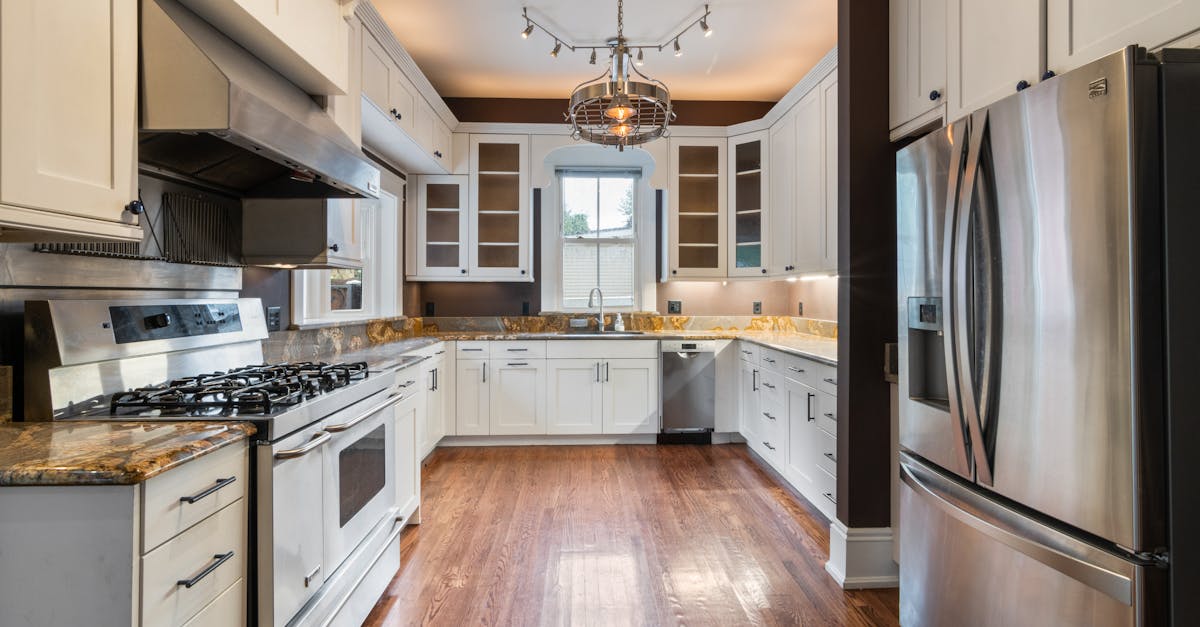
Creating Ambient Lighting with Dimmer Switches in the Kitchen
Table Of Contents
Choosing the Right Bulbs for Dimmer Switches
Selecting the proper bulbs for dimmer switches is crucial to achieving the desired ambient effect. LED bulbs are popular due to their energy efficiency and longevity. When shopping for LEDs, look for those specifically labelled as "dimmer compatible." These bulbs are designed to work smoothly with dimming controls, reducing the likelihood of flickering or other performance issues.
Incandescent bulbs also pair well with dimmer switches, offering a warm light that can be easily adjusted. However, they consume more energy compared to LEDs. Fluorescent bulbs typically do not work effectively with dimmers unless they are specifically designed for it. Understanding the compatibility of various lighting types with dimmer switches can enhance your kitchen's atmosphere while ensuring functional and aesthetic lighting.
Compatibility with Different Lighting Types
When selecting bulbs for dimmer switches, it is essential to consider their compatibility with different lighting types. Incandescent and halogen bulbs typically work well with dimmers, providing smooth and seamless adjustment of brightness levels. However, newer lighting options such as LED and CFL bulbs require specific dimmable versions. Standard LED and CFL bulbs may flicker or buzz when used with a dimmer switch not designed for them.
To ensure optimal performance, always check the packaging or specifications for terms like “dimmable.” This reduces the risk of issues commonly associated with mismatched pairs. Furthermore, not all dimmer switches are created equal; some are particularly designed to work seamlessly with LED lights. Choosing the right combination of bulb and dimmer switch can significantly enhance the ambient lighting experience in any kitchen.
Creating Zones with Ambient Lighting
Strategically placing ambient lighting can transform the kitchen atmosphere and enhance functionality. Consider defining different areas for tasks such as cooking, dining, and entertaining. Pendant lights over the island create a focal point while providing necessary illumination. Wall sconces or under-cabinet lighting can effectively brighten workspaces without overwhelming the senses.
Adjusting the intensity of lights can help establish mood and set the desired ambience for each zone. By installing dimmer switches, achieving a soft glow for dinner parties becomes effortless. Alternatively, brighter lights can be used for food preparation to ensure safety and visibility. This thoughtful design can make the kitchen more inviting and enjoyable for various activities.
Designing Functional Lighting Areas
Strategically planning the layout of lighting in a kitchen enhances both functionality and aesthetics. Consider the primary tasks performed in the space, such as cooking and food preparation. Areas like countertops and stoves benefit from focused task lighting, which helps to eliminate shadows and promotes safety. Pendant lights or under-cabinet fixtures can provide the necessary brightness for these work zones, ensuring they are well-lit and efficient.
Incorporating ambient lighting that complements task lighting creates a more versatile atmosphere. Dimmers offer the flexibility to alter the light intensity based on the time of day or the specific activity taking place. For instance, softer lighting can transform the kitchen into a welcoming gathering spot during dinners or casual conversations. Balancing these different lighting types not only enhances the kitchen's usability but also adds depth and warmth to the overall design.
Combining Dimmer Switches with Other Lighting Solutions
Incorporating various lighting solutions can significantly enhance the ambience of a kitchen. Combining dimmer switches with pendant lights, under-cabinet lighting, and recessed fixtures allows for greater flexibility. Using pendant lights over an island adds style while the ability to adjust their brightness can create a more inviting atmosphere during gatherings. Under-cabinet lighting serves as a functional addition, illuminating workspaces while benefiting from the dimming feature, allowing for a balance between practicality and comfort.
Integrating wall sconces provides another layer of versatility in lighting design. These fixtures can be placed at different heights, creating depth and interest within the space. When paired with dimmer switches, wall sconces can transition from bright task lighting to subtle mood lighting, adapting to different culinary activities or social gatherings. This synergy between multiple lighting sources results in a warm, engaging kitchen environment that supports both functionality and aesthetic appeal.
Layering Light for Optimal Effect
Utilising a combination of different lighting sources can significantly enhance the atmosphere and functionality of a kitchen. Dimmer switches work exceptionally well in conjunction with other lighting solutions, such as pendant lights, under-cabinet lighting, and recessed fixtures. Each layer of light serves a unique purpose, from providing bright illumination for meal prep to creating a warm, inviting ambience for dining. Choosing warm-toned bulbs can further contribute to a cosy atmosphere, while a cooler light might be more suitable for task-oriented areas.
Strategically placing lights at varying heights adds depth and interest to the space. Direct task lighting should be focused on countertops and workspaces, whereas softer ambient lighting can fill the room, creating a balanced glow. By mixing direct and diffuse lighting, the kitchen environment becomes more inviting, ensuring that it functions effectively for both culinary activities and social gatherings. Balancing these different layers not only improves visibility but also elevates the overall design of the space.
FAQS
What types of bulbs are compatible with dimmer switches?
Most LED, incandescent, and halogen bulbs are compatible with dimmer switches, but it's important to check the packaging for compatibility information, as some bulbs may require specific types of dimmers.
How can I create different zones with ambient lighting in my kitchen?
You can create different zones by using a combination of dimmer switches, strategically placing lights above work areas, dining spaces, and ambient areas. This allows you to adjust the lighting according to specific tasks or moods.
Can I use dimmer switches with smart lighting systems?
Yes, many smart lighting systems are compatible with dimmer switches. However, ensure that the dimmer is designed for use with smart bulbs to avoid any compatibility issues.
What is layering light and how can it enhance my kitchen's ambience?
Layering light involves using multiple light sources at different levels (ambient, task, and accent) to create a balanced lighting scheme. This approach enhances the kitchen’s ambience by providing flexibility in brightness and mood.
Are there specific dimmer switches recommended for kitchens?
Look for dimmer switches that are designed for high-wattage use, as kitchens often have multiple light sources. Additionally, choose switches that offer smooth dimming capabilities and are compatible with your chosen bulbs.
Related Links
Best Budget-Friendly Lighting Options for Hobart KitchensSelecting Statement Chandeliers for a Kitchen Renovation
Exploring Smart Lighting Solutions for Your Kitchen Renovation
The Role of Lighting in Enhancing Kitchen Colour Schemes
Stylish Track Lighting Ideas for Modern Hobart Kitchens