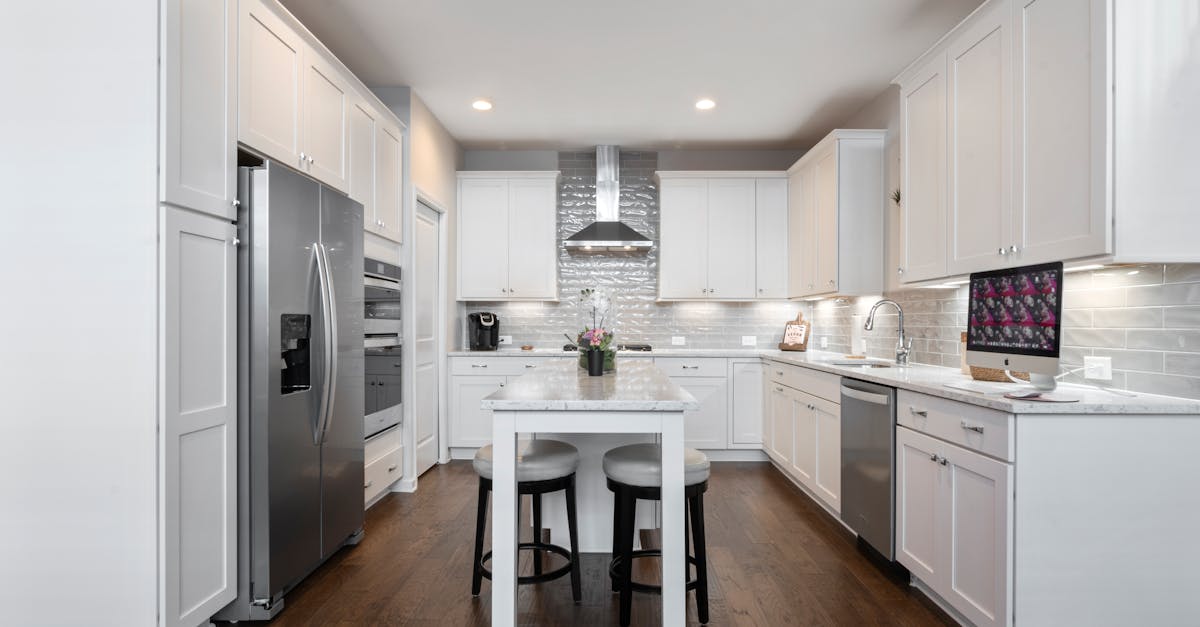
Enhancing Your Kitchen Aesthetics with Unique Backsplash Materials
Table Of Contents
Creative Use of Mosaic Tiles
Mosaic tiles have become a popular choice for adding depth and visual interest to kitchen designs. Their versatility allows for endless creativity; homeowners can mix and match colours, shapes, and sizes to create unique patterns. Whether arranged in intricate designs or simple, geometric layouts, mosaic tiles can transform a kitchen into a vibrant focal point. Many people also opt for a feature wall, using a standout mosaic behind the cooking area to draw the eye and elevate the overall aesthetic.
Exploring various materials adds another layer of creativity to mosaic tile applications. Glass, ceramic, and natural stone offer different textures and finishes, enhancing the interplay of light within the kitchen. A well-curated selection can complement surrounding cabinetry and counter surfaces, achieving a cohesive look. Additionally, using mosaics in unexpected places, such as on countertops or kitchen islands, can create an element of surprise and showcase personal style.
Personalising Your Space with Mosaic Designs
Mosaic designs offer a fantastic way to express individuality in kitchen spaces. With a diverse range of colours, shapes, and patterns, each arrangement can tell a unique story. Incorporating personal elements such as family memories or cultural symbols into these designs can enhance the emotional connection to the space. Choosing tiles that resonate with personal tastes ensures that the kitchen becomes a true reflection of one's character.
Experimenting with different placements allows for creative interpretations of classic designs. A bold, eye-catching mural can serve as a focal point, while intricate patterns can create a more subtle backdrop. Mixing various tile sizes and textures adds depth, turning a standard backsplash into a dynamic feature. Such versatility provides an opportunity to blend modern elements with rustic charm, making the kitchen not just a cooking space but a canvas for artistic expression.
Sustainable Backsplash Materials
Incorporating sustainable materials into your kitchen design can significantly reduce environmental impact while enhancing aesthetics. Options like reclaimed wood, recycled glass, and ceramic tiles made from eco-friendly sources are increasingly popular. These materials not only boast a unique character but also contribute to a greener home. Using local resources can further cut down on carbon footprints associated with transportation.
Bamboo offers a visually striking and renewable choice, with its rapid growth cycle making it a highly sustainable option. Another appealing element is cork, known for its natural insulation properties and durability. Both materials bring warmth and texture to kitchen spaces, making them ideal for a stylish yet environmentally conscious backsplash. Embracing these choices reflects a commitment to sustainability without compromising on visual appeal.
Eco-Friendly Options for the Conscious Consumer
Sustainable materials offer a wealth of options for homeowners looking to reduce their environmental impact while enhancing their kitchen’s design. Reclaimed wood is a popular choice, bringing warmth and character to the space. It boasts a unique history, and each piece tells its own story, making it not only eco-friendly but also a conversation starter. Bamboo is another excellent option due to its rapid growth and renewability, making it a sustainable yet stylish choice for a backsplash.
Glass tiles, especially those made from recycled materials, are both striking and environmentally friendly. They come in various colours, shapes, and finishes, allowing for a high level of creativity in design. Moreover, using natural stone sourced sustainably contributes to a kitchen’s aesthetic appeal while ensuring minimal environmental impact. Homeowners can enjoy a beautiful backsplash while supporting sustainable practices, aligning their home design choices with their commitment to the planet.
Painting as an Alternative Backsplash
Using paint as a backsplash provides an opportunity for immense creativity and personal expression. With an array of colours and finishes available, homeowners can achieve a unique look that complements their kitchen's overall design. A well-applied coat of high-quality paint can withstand the heat and humidity commonly found in kitchen environments, making it a practical option as well as an aesthetic one. Custom designs, stencils, or even a simple colour wash can transform an ordinary wall into an impressive focal point.
However, there are several factors to consider before taking the plunge with a painted backsplash. Longevity can be a concern, as painted surfaces may require more frequent touch-ups than their tile counterparts. Stains and splashes from cooking can mar the surface if not treated promptly. Despite these drawbacks, painting allows for easy experimentation and is a cost-effective way to refresh the space without a major renovation.
Pros and Cons of Painted Surfaces
Choosing to paint your kitchen backsplash can offer a fresh and unique look that complements your kitchen's overall decor. The variety of colours available allows for endless possibilities, enabling homeowners to express their personal style. Additionally, painted surfaces can be a cost-effective solution compared to more traditional materials. The application process is relatively simple, and with a bit of creativity, one can easily create a custom look without needing extensive renovations or professional installation.
However, there are some drawbacks to consider. Painted surfaces may not withstand the wear and tear of a kitchen environment as effectively as other materials. Grease, moisture, and heat can cause paint to chip or fade over time, requiring frequent touch-ups. Maintenance can become a hassle. Furthermore, while paints designed specifically for kitchens can increase durability, they may not achieve the same aesthetic appeal as glass or tile options. It's essential to weigh these factors carefully before committing to a painted backsplash.
FAQS
What are the benefits of using mosaic tiles for a kitchen backsplash?
Mosaic tiles offer a vibrant, artistic touch to your kitchen, allowing for personalised designs and patterns that can complement any decor. They are also durable and easy to clean, making them a practical choice.
How can I personalise my kitchen backsplash using mosaic designs?
You can personalise your backsplash by choosing specific colours, shapes, and layouts that reflect your style. Incorporating meaningful patterns or images can also enhance the uniqueness of your space.
What are some sustainable backsplash materials I can consider?
Sustainable options include recycled glass tiles, bamboo, reclaimed wood, and natural stone, all of which reduce environmental impact while adding beauty to your kitchen.
Are there eco-friendly alternatives for a kitchen backsplash?
Yes, eco-friendly alternatives include materials like recycled ceramic tiles, bio-based materials, and sustainably sourced natural stones that are both stylish and environmentally responsible.
What are the pros and cons of using paint as a kitchen backsplash?
The pros of painted surfaces include affordability, ease of application, and the ability to change colours easily. However, the cons include potential durability issues and limited resistance to moisture or stains compared to traditional backsplash materials.
Related Links
Top Trends in Backsplash Designs for Hobart KitchensThe Impact of Backsplash Height on Kitchen Design
Practical Tips for Maintaining Your Kitchen Backsplash
Incorporating Local Stone for a Distinctive Hobart Kitchen Backsplash
Eco-Friendly Materials for Sustainable Kitchen Backsplashes
Creating Texture: Exploring 3D Backsplash Options for Your Kitchen
Contrasting Colours: Making a Statement with Your Backsplash Selection
The Best Budget-Friendly Backsplash Options for Renovating Hobart Kitchens