Maximising Space with Multi-functional Cabinet Designs
Table Of Contents
Incorporating Cabinets into Different Rooms
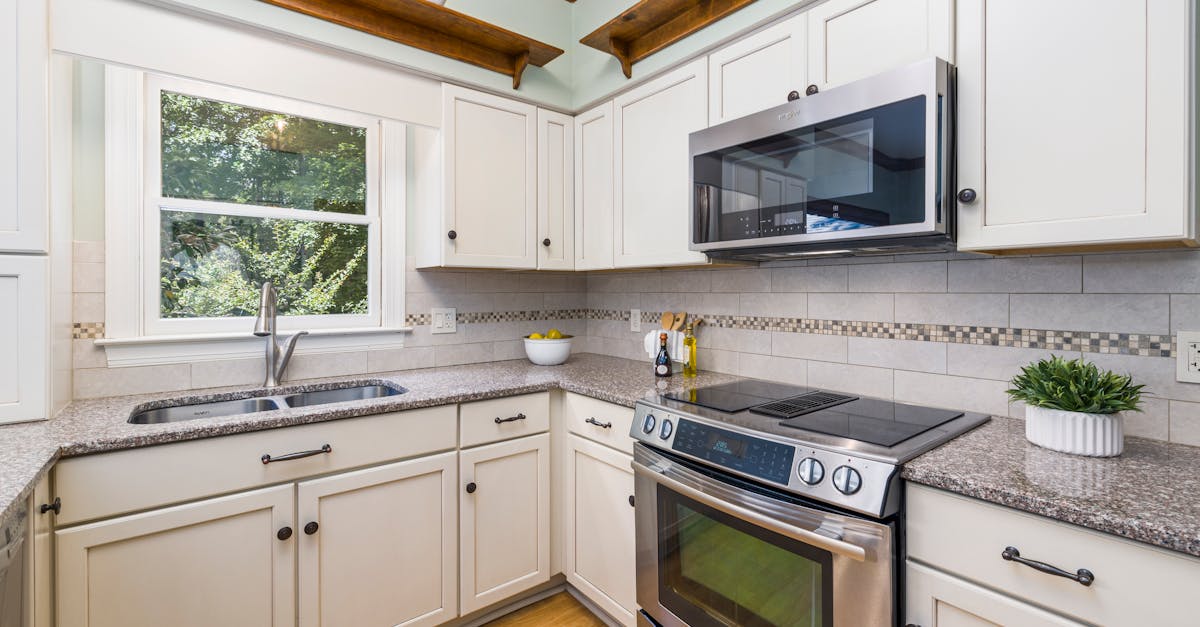
Cabinets can be seamlessly integrated into various rooms throughout the home, offering a practical solution for storage while enhancing the overall design. In kitchens, for instance, cabinetry can be designed to hold appliances, utensils, and pantry items, all while ensuring easy accessibility. Modern living spaces benefit greatly from well-placed cabinets that serve as both storage and display areas for books, decorative objects, and personal mementoes. Incorporating cabinets into these settings not only helps declutter but also contributes to a more organised and visually appealing environment.
Bedrooms, too, can transform with the right cabinet setups. Wardrobes with built-in shelving can significantly increase storage capabilities while maintaining a sleek aesthetic. Additionally, cabinets positioned strategically in entryways can provide convenient spots for shoes and bags, creating a welcoming space as one enters the home. Each room can benefit from tailored cabinet designs that meet specific needs, allowing homeowners to maximise efficiency and style throughout their living spaces.
Practical Uses in Kitchens, Living Rooms, and Bedrooms
Kitchens benefit greatly from multi-functional cabinets that provide storage while enhancing functionality. Customisable shelving can accommodate a range of appliances, pantry items, or dishes. Consider incorporating pull-out drawers for easy access to utensils or adding a built-in wine rack for an elegant touch. The versatility of these cabinets helps maintain a clutter-free environment, making meal preparation more efficient and enjoyable.
Living rooms can transform with the integration of cabinets designed for both storage and style. Consider options that feature open shelving for displaying books and decorative items while also incorporating closed compartments for stowing away games or blankets. This balance allows for a personalised space that feels inviting and organised. In bedrooms, cabinets can serve as stylish nightstands or streamlined wardrobes, offering seamless storage solutions without sacrificing design. Optimising space in these areas enhances comfort and usability, catering to individual needs.
Essential Design Considerations
When designing multi-functional cabinets, it is crucial to consider the overall dimensions of the space. Accurate measurements ensure that the cabinet fits seamlessly without overwhelming the room. The choice of materials plays a significant role in both durability and aesthetic appeal. Opting for quality woods or composite materials can enhance longevity while maintaining a unified look with existing decor.
Another key factor is the intended use of the cabinet. Evaluate the items you plan to store or display, as this determines the internal configuration and accessibility features. Adjustable shelves, pull-out drawers, and hidden compartments enhance practicality. Colour and finish also influence how well the cabinet integrates with the existing environment. Selecting a palette that complements the surrounding furnishings can create a harmonious space while maximising the cabinet's functional benefits.
Balancing Aesthetics with Functionality
When designing multi-functional cabinets, it's important to ensure that both style and practicality are woven seamlessly together. A beautifully crafted cabinet can enhance the overall look of a room, while its thoughtful features provide necessary storage solutions. Choosing materials and finishes that complement existing décor can create harmony within the space. Additionally, integrating adjustable shelves or hidden compartments can maintain a sleek appearance while offering functional versatility.
The visual appeal of a cabinet shouldn't overshadow its usability. Clear lines and minimalistic designs often work best, allowing the furniture to serve its purpose without overwhelming the space. Thoughtful placement within a room can also play a significant role; cabinets should be accessible yet discreet, ensuring that they contribute to the room's functionality. By maintaining this balance, a well-designed cabinet can act as both a stylish focal point and a practical asset.
DIY Multi-functional Cabinet Projects
Creating your own multi-functional cabinets can be a rewarding project. Start with simple designs that cater to your specific needs. Consider a bookshelf that doubles as a display unit or a side table with hidden storage. Choosing the right materials is crucial; plywood and MDF are both economical and versatile options. Ensure to sketch out your design before purchasing items. This will help avoid unnecessary costs and material waste.
After gathering your materials, it’s important to prepare a workspace that allows for efficient assembling. Use sturdy hardware to reinforce joints and ensure durability. Paying attention to details such as smooth edges and appropriate finishes can elevate the overall look. Don’t hesitate to incorporate personal touches, as this makes the cabinet truly unique. Embracing creativity during this phase will turn a functional piece into a statement of your personal style.
Step-by-Step Guide to Building Your Own
Creating a multi-functional cabinet can be a rewarding DIY project that maximises space in your home. Start by gathering materials such as wood boards, screws, hinges, and any paints or finishes you desire. Sketch a design tailored to your specific needs, considering dimensions that fit within your chosen room. It’s important to ensure your design incorporates features such as shelves, drawers, or a fold-out table if you want to enhance functionality.
Once your plan is in place, begin by cutting the wood to the appropriate sizes. Assemble the cabinet frame using screws and brackets for stability. Attach any shelves or drawers according to your design. Remember to sand down edges for a smooth finish and pre-drill holes to prevent wood from splitting. After assembling the cabinet, apply your chosen finish or paint to complement your home’s decor. Patience during this process will lead to a stylish and functional piece of furniture that enhances the overall aesthetic of your space.
FAQS
What are multi-functional cabinets?
Multi-functional cabinets are versatile storage solutions that serve multiple purposes, such as providing storage, display space, or even acting as furniture pieces, thereby helping to maximise space in various rooms.
How can I incorporate cabinets into different rooms?
Cabinets can be integrated into kitchens for storage of utensils, in living rooms for displaying decor, and in bedrooms for storing clothes and personal items, making them a practical addition to any space.
What are some essential design considerations for multi-functional cabinets?
When designing multi-functional cabinets, consider factors such as the overall aesthetics of the room, the intended function, the available space, and the materials used to ensure durability and style.
Can I build my own multi-functional cabinet?
Yes, building your own multi-functional cabinet is a great DIY project! There are many resources available that provide step-by-step guides to help you create a piece that meets your specific needs and preferences.
What are some practical uses of multi-functional cabinets in a home?
Practical uses include using a cabinet as a kitchen island for additional workspace, a living room unit that incorporates a TV stand and storage, or a bedroom armoire that combines hanging space with drawers for clothing.
Related Links
Assessing Pre-fabricated vs Custom Cabinet OptionsUnderstanding the Differences Between MDF and Particleboard
Eco-Friendly Cabinet Choices for Sustainable Renovations
Colour Schemes and Finishes for Stunning Cabinetry
Innovations in Cabinet Hardware: Trends and Styles