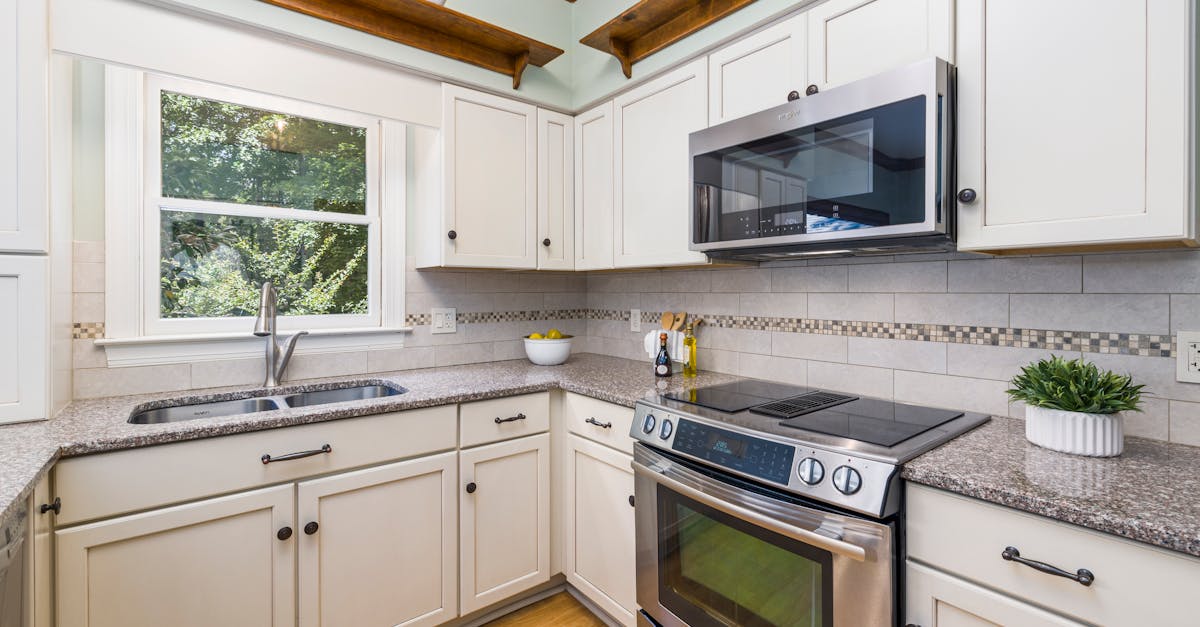
Creating Functional Workspaces in Minimalist Kitchen Designs
Table Of Contents
Optimising Lighting for Productivity
Effective lighting plays a crucial role in enhancing productivity within minimalist kitchen designs. Task lighting should be positioned strategically to illuminate work areas such as countertops, stovetops, and sinks. This targeted lighting reduces shadows and creates a more inviting atmosphere, encouraging efficiency during meal preparation. Incorporating dimmable features allows for flexibility, enabling the user to adjust light levels based on the task at hand or the time of day.
Natural light should also be maximised, as it fosters a refreshing and energising environment. Large windows or skylights can bring in ample daylight, improving mood and focus. When combined with soft, warm artificial lighting, a balanced layout can emerge, creating a harmonious space conducive to cooking and social interaction. Properly executed, these lighting solutions transform not only the functionality of the kitchen but also its overall aesthetic appeal.
The Role of Natural and Artificial Light
Natural light plays a vital role in enhancing the mood and functionality of a minimalist kitchen. Large windows or skylights invite sunlight, creating an inviting atmosphere that can make cooking feel less like a chore. The visual connection to the outdoors fosters a sense of space and tranquillity, making the kitchen a more pleasant environment for meal preparation and social interaction. Additionally, the warm glow of natural light enhances the appearance of finishes, such as timber cabinets or sleek countertops, further accentuating the minimalist aesthetic.
While natural light is essential, the strategic use of artificial lighting complements it effectively, especially during the darker hours of the day. Recessed lighting, under-cabinet fixtures, and pendant lights can be employed to highlight specific work areas, ensuring that tasks are carried out efficiently. Adjustable lighting options allow for versatility in ambience, accommodating everything from bright cooking tasks to softer settings for relaxed gatherings. A thoughtful blend of natural and artificial light transforms a minimalist kitchen into a functional, harmonious space that supports both productivity and comfort.
Incorporating Multi-Functional Furniture
In a minimalist kitchen, space is often limited, making it essential to incorporate furniture that serves multiple purposes. Consider a dining table that doubles as a preparation area. By choosing a design that allows for extension, homeowners can accommodate guests without sacrificing functionality during every day cooking tasks. Stools or chairs that can be tucked away when not in use further enhance the practicality of the space.
Another effective strategy is to select cabinetry that offers hidden storage solutions. Pull-out drawers or foldable surfaces can dramatically reduce clutter and streamline the cooking environment. Appliances that integrate seamlessly into the cabinetry can also contribute to the cohesive aesthetic while preserving essential functions. This approach not only optimises space but transforms the kitchen into a versatile area suited to various needs.
Making the Most of Limited Space
In a minimalist kitchen, every square metre counts, making efficient use of available space essential. Selecting furniture that serves multiple purposes can dramatically enhance functionality. Consider a kitchen island with integrated storage options, which can act as both a prep zone and a dining area. Compact, stackable stools can provide seating when needed and easily be tucked away to clear the space.
Vertical storage solutions offer a practical approach to managing pots, pans, and utensils without crowding surfaces. Wall-mounted shelves not only display beautiful dishware but also remain accessible for everyday items. Hooks for hanging tools or a magnetic strip for knives frees up drawer space, ensuring a clean and streamlined environment. Investing in pull-out pantry systems can optimise corners and nooks, promoting easy access to ingredients while maintaining an uncluttered look.
The Importance of Workflow
Creating an efficient kitchen workflow involves careful consideration of the arrangement and accessibility of essential items. A well-thought-out layout allows for a seamless transition between cooking, preparation, and clean-up stages. Placing commonly used tools and ingredients within arm's reach can significantly reduce movement and save time during meal preparation. This streamlined approach fosters a more enjoyable cooking experience while minimising frustration.
A minimalist design encourages clarity and simplicity, which further enhances productivity in the kitchen. By eliminating unnecessary clutter, the focus shifts to the task at hand. Clear pathways will enable free movement and reduce the risk of accidents, especially in smaller spaces. Incorporating designated zones for various tasks not only maintains order but also helps in establishing a routine, making the kitchen a functional and inviting space for culinary creativity.
Designing for Seamless Cooking and Preparation
Efficiency in the kitchen hinges on how well the layout caters to the flow of cooking activities. A triangular arrangement of the stove, sink, and refrigerator can facilitate smooth transitions between tasks. This design reduces unnecessary movement, allowing for a more focussed cooking experience. By positioning utensils and ingredients within arm's reach, you can streamline meal preparation and minimise interruptions.
Incorporating thoughtful storage solutions further enhances the functionality of the space. High cabinets can hold rarely used items while lower shelves are ideal for everyday tools and cooking essentials. Drawers designed for easy access can help keep countertops clutter-free, promoting both organisation and efficiency. These simple adjustments create an environment where cooking becomes a fluid and enjoyable process rather than a chore, contributing to a more satisfying culinary experience.
FAQS
What are some ways to optimise lighting in a minimalist kitchen?
To optimise lighting in a minimalist kitchen, consider using a combination of natural light through windows and skylights alongside artificial lighting such as under-cabinet lights and pendant fixtures. Dimmable lights can also help create a flexible atmosphere for different tasks.
How can natural light enhance productivity in the kitchen?
Natural light can enhance productivity by creating a brighter, more inviting atmosphere that can improve mood and focus. It also helps to reduce eye strain, making it easier to perform tasks efficiently.
What types of multi-functional furniture are best for minimalist kitchens?
Ideal multi-functional furniture for minimalist kitchens includes items like fold-down tables, pull-out benches, and kitchen islands with built-in storage. These pieces can provide additional workspace while keeping the area uncluttered.
How can I effectively utilise limited space in a minimalist kitchen design?
To effectively utilise limited space, consider vertical storage solutions, such as shelving and wall-mounted racks, and choose compact appliances. Additionally, using furniture that can double as storage can help keep the kitchen organised.
What is the best workflow design for a minimalist kitchen?
The best workflow design for a minimalist kitchen involves arranging key areas—such as the stove, sink, and refrigerator—in a triangular layout. This allows for seamless movement between cooking and preparation tasks, ensuring efficiency during meal prep.
Related Links
Popular Appliance Choices for Minimalist Kitchen SetupsEssential Furniture Choices for a Modern Minimalist Kitchen
Minimalist Kitchen Islands: Combining Style and Functionality
Designing a Minimalist Kitchen with Eco-Friendly Materials
The Role of Textures in Modern Minimalist Kitchen Aesthetics
How to Incorporate Natural Light into Minimalist Kitchen Designs
Innovative Storage Solutions for Modern Minimalist Spaces