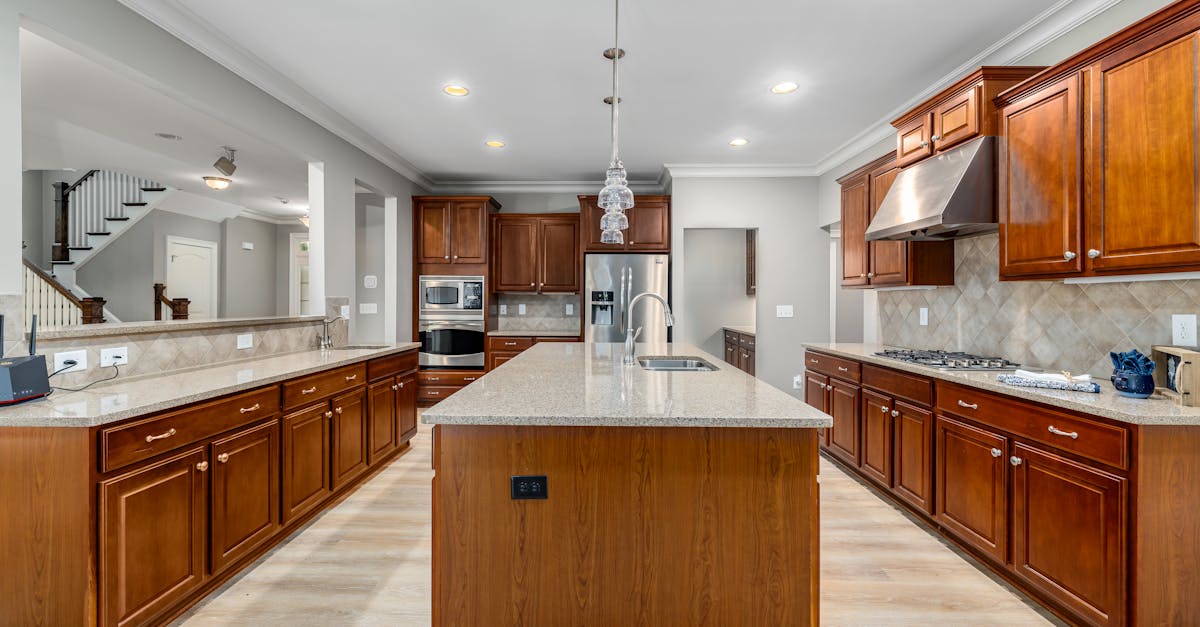
The Role of Textures in Modern Minimalist Kitchen Aesthetics
Table Of Contents
Flooring Options for Textural Variety
When designing a minimalist kitchen, the choice of flooring plays a significant role in achieving a harmonious aesthetic. Natural materials such as timber, concrete, and stone offer a tactile richness that complements the simplicity of minimalist design. Timber brings warmth and character, contributing to a welcoming atmosphere. Concrete provides an industrial edge, while stone, with its unique veining and texture, adds a touch of elegance. Each of these materials can be used to create visual interest without overwhelming the clean lines and uncluttered space typical of minimalist principles.
In addition to natural materials, there are plenty of options available that mimic the look and feel of more traditional surfaces. Vinyl and laminate flooring have evolved significantly, providing realistic patterns and textures that can resemble wood or stone. These materials are often more cost-effective, easier to maintain, and softer underfoot. Incorporating a mix of textures can enhance the overall design, allowing for a more dynamic environment while maintaining the essence of minimalism. Thoughtful combinations of these flooring options can provide both comfort and style, striking a balance that resonates with contemporary kitchen aesthetics.
Choosing the Right Material
When selecting materials for a minimalist kitchen, it's crucial to consider both aesthetic appeal and practicality. Natural materials such as stone and timber bring warmth and organic textures to space while maintaining a clean, uncluttered look. For those aiming for a more contemporary feel, engineered materials like quartz or polished concrete can offer sleek finishes that complement minimalist design without sacrificing durability and functionality.
Another aspect to consider is how the chosen materials interact with one another. Pairing different textures can enhance the overall aesthetic without overwhelming the senses. For instance, combining a matte finish with glossy elements creates visual interest while adhering to minimalist principles. The right combination of textures, from cabinetry to wall finishes, ensures that the kitchen remains inviting and functional, all the while reflecting a curated touch that defines modern minimalism.
Backsplash Textures in Minimalist Design
In modern minimalist kitchens, the backsplash serves as both a functional surface and a crucial design element. The choice of texture can dramatically influence the overall aesthetic, providing a subtle focal point without overwhelming the space. Options such as glossy subway tiles create a sleek appearance, while textured stone or matte finishes can evoke warmth and sophistication. Incorporating variations in pattern or finish can further enhance visual interest while still adhering to a minimalist philosophy.
Choosing the right material for the backsplash is essential for maintaining a clean and streamlined look. Natural stone, such as limestone or marble, offers unique patterns that can provide depth without competing with the other elements in the kitchen. Alternatively, materials like cement or glass can deliver a modern edge, allowing for versatility in colour and texture. Thoughtful selection ensures that the backsplash complements the countertops and cabinetry, reinforcing the seamless unity characteristic of minimalist design.
Materials That Stand Out
In the quest for a minimalist kitchen, selecting standout materials can elevate the design beyond mere functionality. Textured tiles made from natural stone or ceramic can add a sophisticated touch to the backsplash. Their unique patterns and surfaces catch the eye, providing depth without overwhelming the space. Contrasting these elements with sleek surfaces, such as polished metals or glass, creates a harmonious balance that defines modern aesthetics.
Another approach lies in the choice of cabinetry. Natural timbers with visible grain can soften the overall look while maintaining a minimalist appeal. The warmth of wood juxtaposes the coldness of metals and ceramics, adding an inviting feel. Incorporating concrete surfaces, whether in counter design or accent walls, can further enhance the industrial vibe, showcasing a blend of textures that aligns with contemporary design philosophies.
Countertop Textures and Their Effects
In modern minimalist kitchens, the choice of countertop texture can significantly influence the overall aesthetic and functionality of the space. Smooth, polished surfaces like quartz and granite can create a sleek and seamless look. Conversely, textured finishes such as honed or leathered options can add depth, drawing the eye and inviting touch. Each type of surface can alter not just visual appeal but also the perceived warmth of the kitchen environment.
Another important consideration is the maintenance and durability of various textures. High-gloss finishes may require more frequent cleaning to maintain their appearance, while matte textures may be more forgiving when it comes to daily use. Natural stone options often carry unique imperfections, adding character and individuality to each slab. By selecting the right texture, homeowners can achieve a balance between style and practicality that aligns with minimalist principles.
Exploring Different Surface Finishes
Surface finishes play a crucial role in defining the overall aesthetic of a minimalist kitchen. The choice between matte, glossy, or textured finishes can dramatically influence the light and spatial perception within the environment. Matte finishes offer a subtle sophistication while reducing glare, making them a popular choice for those seeking a more understated look. Glossy surfaces, in contrast, reflect light and can create an illusion of depth, adding a touch of elegance to minimalist spaces.
Exploring textures, such as honed, brushed, or polished options, further enhances the visual appeal of countertops. Honed finishes provide a soft, natural appearance that invites touch and interaction. This finish can be perfect for achieving a warm and inviting atmosphere. Polished surfaces, while undeniably sleek, tend to showcase fingerprints and smudges more easily but are prized for their striking, high-end look. Brushed finishes offer a unique character, blending a soft sheen with tactile interest, making them an excellent selection in contemporary designs.
FAQS
Why are textures important in modern minimalist kitchen design?
Textures add depth and interest to minimalist kitchens, making them feel more inviting while still maintaining a sleek and uncluttered aesthetic.
What flooring options can enhance textural variety in a minimalist kitchen?
Popular flooring options include hardwood, polished concrete, and large format tiles, each providing unique textures that can complement a minimalist design.
How do I choose the right material for my kitchen surfaces?
Consider factors such as durability, maintenance, and how the material’s texture will interact with the overall design. Natural materials like stone and wood often add warmth and character.
What types of backsplash textures work well in minimalist kitchens?
Subtle textures such as matte tiles, natural stone, or even glass can create a striking visual effect without overwhelming the space, making them ideal for minimalist designs.
How can the texture of countertops affect the feel of my kitchen?
Different surface finishes, such as honed, polished, or textured, can dramatically change the kitchen's ambiance. A rougher texture may add a rustic feel, while a polished finish can enhance a modern look.
Related Links
Essential Furniture Choices for a Modern Minimalist KitchenHow to Incorporate Natural Light into Minimalist Kitchen Designs
Minimalist Kitchen Islands: Combining Style and Functionality
Designing a Minimalist Kitchen with Eco-Friendly Materials
Popular Appliance Choices for Minimalist Kitchen Setups
Creating Functional Workspaces in Minimalist Kitchen Designs
Innovative Storage Solutions for Modern Minimalist Spaces
Top 5 Colour Schemes for Minimalist Kitchen Designs