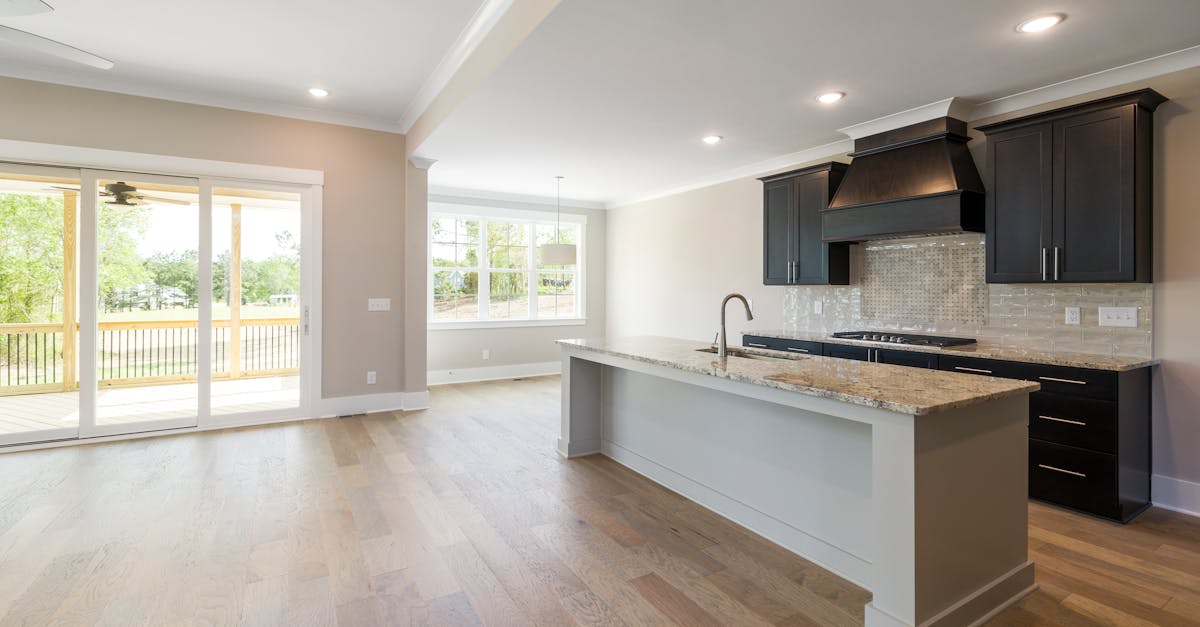
Exploring Laminated Surfaces for Durable Kitchen Cabinets
Table Of Contents
Popular Designs and Styles
Laminated surfaces have become a go-to choice for many homeowners due to their versatility and aesthetic appeal. Popular designs often include sleek, high-gloss finishes that reflect light, creating an illusion of space in smaller kitchens. Textured laminates offer a tactile element, mimicking natural materials such as wood and stone. These finishes can enhance the visual depth of cabinetry while providing an easy-to-maintain solution for busy households.
In addition to traditional styles, contemporary designs emphasise minimalism and clean lines. Soft muted shades, combined with bold accents, are particularly trendy in modern kitchens. The use of geometric patterns also adds a dynamic touch to cabinet surfaces, making them a focal point in the overall kitchen design. Many homeowners favour a combination of matte and gloss finishes to create a striking contrast while ensuring practicality and durability in their cabinetry choices.
Modern Aesthetics with Laminates
Laminated surfaces have become synonymous with contemporary kitchen design, offering an ideal blend of style and functionality. The versatility of laminates allows for a wide range of finishes and textures, enabling homeowners to achieve everything from sleek, minimalist looks to more textured, rustic styles. Popular choices include high-gloss finishes that reflect light and create a sense of spaciousness in smaller kitchens. Alternatively, matte laminates provide a subtle elegance, perfect for those who prefer a more understated appearance.
The introduction of digital printing technology has further transformed the aesthetic possibilities of laminated surfaces. Custom designs and unique patterns can now be easily achieved, catering to individual tastes and contemporary trends. This innovation has allowed for the incorporation of natural elements, such as wood grains or stone-like textures, without the weight or maintenance associated with real materials. The result is a modern kitchen that balances aesthetic appeal with durability and ease of care.
Installation Process for Laminated Cabinets
The installation of laminated cabinets requires careful preparation and attention to detail to ensure a flawless finish. Initially, it's vital to measure the kitchen area accurately. This includes the height and width of the walls, along with existing fixtures. Proper planning helps in avoiding any costly mistakes during the installation process. Once measurements are confirmed, the selected laminate sheets should be cut to size, ensuring a perfect fit for each cabinet panel.
Assembling the cabinets involves securing the laminated panels together using screws and brackets. It's essential to ensure that all joints are tight and aligned. Using a level to check for any discrepancies can prevent issues later on. Finally, mounting the cabinets onto the wall should be performed precisely, taking care to use appropriate anchors suited for the wall material. This meticulous approach contributes significantly to the durability and stability of the finished product.
Step-by-Step Guide
The first step in the installation process involves measuring the cabinet area accurately. It is essential to determine the dimensions of the wall, floor, and existing cabinetry. This ensures the new laminated surfaces will fit perfectly and any necessary adjustments can be planned ahead. Once measurements are confirmed, the next phase includes gathering all required materials and tools. This typically involves laminates, adhesive, a laminate trimmer, and safety gear like gloves and goggles.
Preparation of the surface is crucial before applying the laminated sheets. The existing cabinets should be cleaned thoroughly to remove dust and grease, promoting a better adhesion of the laminate. After this preparation, cut the laminate sheets to size, ensuring they are slightly larger than the areas needed. Applying adhesive evenly across the surface will help prevent bubbles. Finally, position the laminate carefully, pressing down firmly to eliminate air pockets, and trim any excess material for a clean finish.
Trends in Kitchen Design with Laminated Surfaces
The use of laminated surfaces in kitchen design has evolved, reflecting contemporary tastes and practical needs. Homeowners are increasingly drawn to clean lines and minimalist aesthetics, where laminates play a crucial role in achieving this look. Textured finishes, such as matte and gloss options, add depth to cabinetry, allowing for greater versatility in overall kitchen themes. Patterns that mimic natural materials, like timber and stone, are popular as they offer the beauty of these materials without the associated maintenance challenges.
Colour palettes are shifting towards neutral tones paired with bold accents. Soft greys, whites, and earth tones dominate the cabinetry, creating a light and airy atmosphere. Accents in rich jewel tones or dramatic dark hues enhance visual interest and serve as focal points within the kitchen space. This contrast frequently appears in the form of backsplashes or island features, showcasing the flexibility of laminated surfaces to adapt to various design preferences while maintaining durability.
Contemporary Colour Palettes
Choosing the right colour palette is essential for achieving a harmonious kitchen design. Recently, muted tones have gained popularity, offering a calming appeal. Soft whites, greys, and pastels create a serene atmosphere while allowing other elements to shine. This classic approach pairs well with various materials, enhancing the overall look without overwhelming the space.
On the other hand, bold colours are making a statement in modern kitchens. Deep blues, rich greens, and even vibrant reds can inject personality into cabinetry. These hues serve as focal points, often complemented by neutral countertops and backsplashes, allowing for a balanced visual impact. As laminated finishes provide an array of colour options, homeowners can personalise their kitchens to reflect their unique style preferences.
FAQS
What are the benefits of using laminated surfaces for kitchen cabinets?
Laminated surfaces are highly durable, resistant to scratches and stains, and available in a variety of designs and colours, making them an ideal choice for modern kitchen cabinets.
How do I choose the right laminate for my kitchen cabinets?
Consider your kitchen’s overall design, colour scheme, and personal style. Look for laminates that complement your existing décor and meet your durability needs.
Is it difficult to install laminated kitchen cabinets?
While the installation process can be complex, following a step-by-step guide can simplify it. If you're not confident in your skills, hiring a professional is recommended.
What are the latest trends in laminated surfaces for kitchen design?
Contemporary trends include bold colour palettes, textured finishes, and mixed materials that enhance the aesthetic appeal and functionality of kitchen spaces.
Can laminated surfaces be easily cleaned and maintained?
Yes, laminated surfaces are easy to clean with mild soap and water. Regular maintenance helps keep them looking great for years, but avoid abrasive cleaners that could scratch the surface.
Related Links
A Guide to Customised Cabinet Solutions for Hobart HomesSelecting the Perfect Timber for Your Kitchen Cabinets
Assessing Pre-fabricated vs Custom Cabinet Options
Maximising Space with Multi-functional Cabinet Designs
Understanding the Differences Between MDF and Particleboard
Eco-Friendly Cabinet Choices for Sustainable Renovations