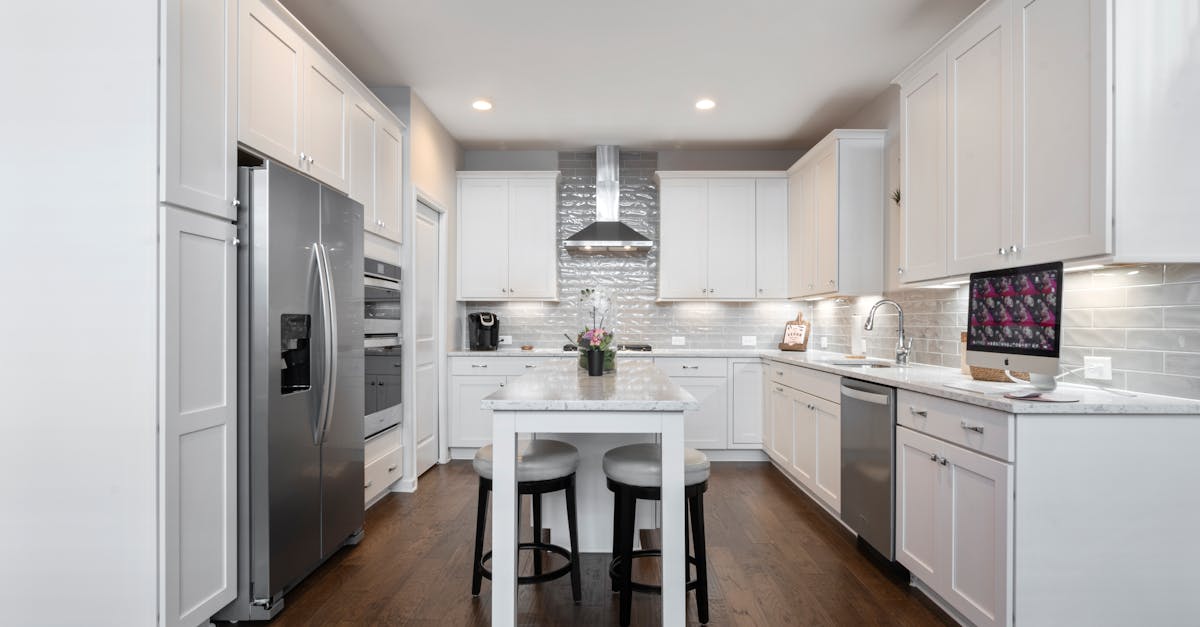
The Impact of Natural Light on Kitchen Design Choices
Table Of Contents
Incorporating Skylights for Enhanced Illumination
Skylights serve as an innovative solution to increase natural light in kitchens, creating an inviting atmosphere. These architectural features allow sunlight to flood in from above, eliminating the need for excessive artificial lighting during the day. The range of styles available, from fixed to vented options, means homeowners can choose a design that aligns with their aesthetic preferences and functionality requirements.
In addition to improving brightness, skylights can also contribute to energy efficiency. By harnessing daylight, they reduce reliance on electrical lighting, which can lead to lower energy bills. Proper placement is essential to minimise heat gain during hotter months while maximising light exposure. Overall, the strategic incorporation of skylights can significantly transform the kitchen environment, making it brighter and more pleasant.
Pros and Cons of Skylight Installations
Skylights can significantly enhance the amount of natural light that enters a kitchen, creating a brighter and more inviting atmosphere. They are particularly beneficial in areas with limited wall space for windows. In addition to improving light quality, skylights can provide ventilation, allowing hot air to escape and contributing to a cooler environment, especially in warmer months. Homeowners often appreciate the aesthetic appeal of skylights and their potential to make a space feel larger and more open.
However, there are important considerations to bear in mind when installing skylights. Proper placement is crucial to prevent overheating or excessive glare, which can occur with direct sunlight. Potential issues with leaks and water damage can arise if skylights are not installed correctly. Additionally, maintaining skylights can be more challenging compared to conventional windows, especially for those installed at higher angles. Taking these factors into account is essential for achieving the desired benefits without incurring drawbacks.
The Impact of Open Plans on Light Flow
Open-plan kitchen designs are increasingly popular, and they significantly influence how natural light flows through a home. By removing walls and barriers, these layouts allow light to travel freely between spaces, creating a bright and airy atmosphere. Natural light can enhance the visual appeal of the kitchen, making it an inviting area for both cooking and socialising. Large windows and glass doors can be strategically positioned to take full advantage of daylight, further enhancing the open layout.
The benefits of maximising light flow extend beyond aesthetics. Increased natural light can improve the mood and energy levels of those within the space. A well-lit kitchen encourages family interaction and informal gatherings. Thoughtful design choices, such as incorporating large openings, ensure that natural light not only enters the kitchen but also flows into adjoining dining and living areas, promoting a cohesive and harmonious living environment.
Creating a Seamless Transition Between Spaces
Open-plan layouts have become increasingly popular for their ability to create a sense of spaciousness and fluidity among different areas of the home. In a kitchen, this design choice encourages natural light to flow freely from adjoining rooms like the living or dining areas. The visual continuity achieved through similar colour palettes and materials helps to unify these spaces, allowing for a harmonious environment. Large openings such as wide doorways or glass panels can further enhance this flow, making it easy for natural light to penetrate deeply into the kitchen.
Furnishings and décor also play pivotal roles in facilitating this seamless interaction between spaces. Choosing lightweight, minimalistic furniture aids in maintaining an unobstructed view while creating a relaxed atmosphere. Strategically placed mirrors can reflect light throughout the area, amplifying the overall brightness. This thoughtful design approach not only enhances the aesthetic appeal but also promotes a more inviting atmosphere, making it enjoyable to spend time in each interconnected area of the home.
Balancing Natural Light with Artificial Lighting
Natural light plays a vital role in kitchen design, yet it often needs to be complemented by artificial lighting to create a well-balanced space. Strategic placement of light fixtures can enhance functionality, especially during the evening when daylight fades. Choosing the right types of artificial lighting allows for flexibility in mood and atmosphere, catering to various activities such as cooking or entertaining.
Layered lighting solutions can provide depth, combining ambient, task, and accent lighting effectively. Ambient lighting fosters a warm, inviting atmosphere, while task lighting focuses on work areas like countertops and the stove. The interplay between dusk's natural glow and well-planned artificial sources ensures the kitchen remains both practical and inviting throughout the day and night.
Designing Layered Lighting Solutions
Incorporating various layers of lighting can significantly enhance the functionality and aesthetics of a kitchen. Ambient lighting serves as the primary source of illumination, providing a warm and inviting atmosphere. Task lighting, on the other hand, focuses on specific work areas such as countertops and islands, ensuring visibility while preparing meals. Accent lighting can be used to highlight architectural features, artwork, or decorative elements, adding depth and interest to the overall design.
To achieve an effective layered lighting approach, consider a combination of different fixtures. Pendant lights above the kitchen island can add both style and practical light, while adjustable recessed lights can help direct brightness where it is needed most. Incorporating dimmers allows for flexibility in mood and intensity, supporting activities ranging from casual dining to entertaining guests. Such considerations create a balanced lighting scheme that enhances both usability and visual appeal in the kitchen space.
FAQS
How can I incorporate skylights into my kitchen design?
Incorporating skylights into your kitchen design can be achieved by consulting with a professional builder or architect who can assess your roof structure and recommend the best placement for maximum light. Ensure you choose energy-efficient skylights that fit your style and enhance the overall aesthetic of your kitchen.
What are the advantages of installing skylights in my kitchen?
The advantages of installing skylights include increased natural light, improved ventilation, and a greater sense of openness. They can make your kitchen feel more inviting and can also contribute to energy savings by reducing the need for artificial lighting during the day.
Are there any drawbacks to having skylights in my kitchen?
Yes, while skylights offer many benefits, they can also have drawbacks such as potential heat loss in winter, overheating during summer, and the possibility of leaks if not properly installed. Regular maintenance is essential to ensure they function effectively over time.
How does an open plan kitchen enhance natural light flow?
An open plan kitchen enhances natural light flow by removing barriers such as walls, allowing light to travel freely between spaces. This design creates a more cohesive look and feel in the home while making the kitchen feel more spacious and connected to other living areas.
What are some effective ways to balance natural light with artificial lighting in the kitchen?
Balancing natural light with artificial lighting can be achieved by designing layered lighting solutions that include task, ambient, and accent lighting. Use dimmers to adjust artificial lighting based on the time of day and the amount of natural light available, ensuring a comfortable and well-lit environment at all times.
Related Links
How to Incorporate Under-Cabinet Lighting in a Hobart KitchenLED vs Halogen: Best Lighting Choices for Kitchen Renovations
Exploring Smart Lighting Solutions for Your Kitchen Renovation
The Role of Lighting in Enhancing Kitchen Colour Schemes
Best Budget-Friendly Lighting Options for Hobart Kitchens
Creating Ambient Lighting with Dimmer Switches in the Kitchen
Selecting Statement Chandeliers for a Kitchen Renovation