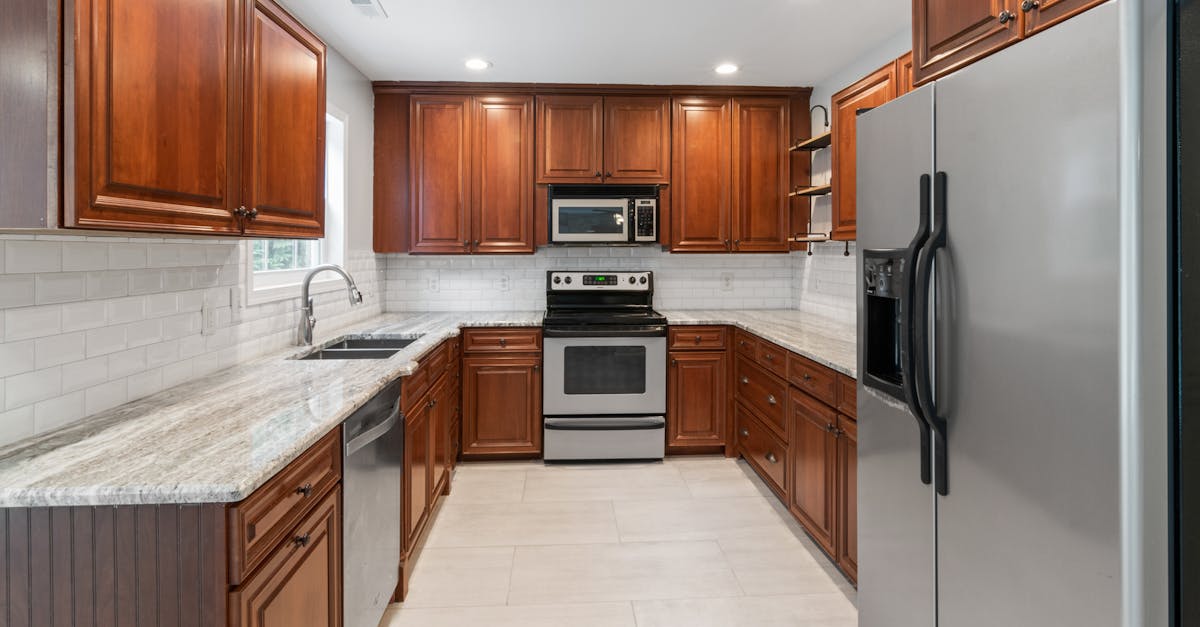
Balancing Aesthetics and Functionality in Kitchen Renovations
Table Of Contents
Lighting Solutions for Ambiance and Task Needs
Effective lighting is crucial in creating a kitchen that balances both aesthetic charm and functional usability. Layering different types of lighting can enhance the overall ambience while ensuring that task areas are well-lit. Pendant lights over an island can provide focal points, while recessed lighting can evenly illuminate workspaces. Dimmable fixtures allow for adjustments, enabling a bright environment during meal prep and a softer glow during social gatherings. By thoughtfully integrating these different lighting solutions, homeowners can achieve both beauty and practicality in their kitchen spaces.
Task-oriented areas, such as countertops and cooking zones, require focused lighting to facilitate daily activities. Under-cabinet lights can illuminate work surfaces, making it easier to chop, measure, and mix ingredients without straining the eyes. Incorporating fixtures that mimic natural daylight can enhance colour accuracy, essential when preparing meals. Furthermore, adding sensors or smart lighting systems can increase convenience, allowing for hands-free control while managing cooking tasks. Ensuring that all these elements harmoniously blend into the overall design not only boosts functionality but also elevates the kitchen's aesthetic appeal.
Layering Light for Different Activities
Effective kitchen lighting is essential for both safety and aesthetics. Combining different types of lighting can create an inviting atmosphere while ensuring tasks are completed efficiently. Ambient lighting provides a general glow, often achieved through ceiling fixtures or recessed lights. This foundational layer sets the mood and makes the space feel warm and welcoming.
Task lighting is crucial for specific activities, such as chopping vegetables or reading recipes. Under-cabinet lights are ideal for illuminating work surfaces, preventing shadows when engaging in intricate tasks. Accent lighting, such as pendant lights over an island or statement fixtures, adds visual interest while highlighting key areas of the kitchen. Integrating these various layers creates a versatile space that caters to both daily routines and special occasions.
Colour Schemes that Blend Beauty and Practicality
Choosing the right colour palette is essential in creating a kitchen that feels both inviting and functional. Many homeowners opt for neutrals, as these shades provide a versatile background that can be enhanced with vibrant accents. Warm whites and soft greys are popular because they reflect light well, making the space feel larger and brighter. Incorporating splashes of colour through accessories, artwork, or even a feature wall can add personality without overwhelming the design.
The integration of practical elements into a colour scheme can enhance both aesthetics and functionality. For instance, darker hues can effectively disguise stains and wear, particularly on cabinetry and countertops. Combining these darker tones with lighter elements can create a pleasing contrast that draws the eye while maintaining a clean and organised look. This thoughtful approach ensures that the kitchen remains a timeless and elegant space, able to withstand the rigours of daily life.
Trends in Kitchen Colour Palettes
Neutral tones continue to dominate kitchen colour palettes, offering a timeless appeal that suits various styles. Shades of white, beige, and grey create a serene backdrop, making spaces feel larger and more open. Homeowners appreciate the versatility of these colours, allowing them to easily incorporate different accents and materials. Additionally, earthy tones have surged in popularity, reflecting a connection to nature and promoting a calming atmosphere.
Bold colours are making a statement as well, with deep blues, forest greens, and rich burgundies gaining traction. These hues can create a striking focal point, perfect for cabinetry or an island. Pairing these bold choices with lighter elements, such as countertops or backsplashes, balances aesthetics and practicality. This combination fosters visual interest while maintaining harmony within the overall design.
Storage Solutions for Clutter-Free Spaces
In modern kitchen design, the emphasis on practicality often demands innovative storage solutions that keep spaces organised without compromising aesthetics. Implementing open shelving can serve both functional and visual purposes. It allows for easy access to frequently used items while showcasing attractive dishware or cookbooks. Additionally, utilising the vertical space with tall cabinetry or wall-mounted racks can help maximise storage capacity in even the smallest of kitchens.
Creating a clutter-free environment also involves smart organisation within drawers and cupboards. Utilising modular drawer inserts for utensils and cutlery ensures that each item has its designated place. Pull-out pantry systems offer convenience while accommodating various ingredients, further enhancing the kitchen's functionality. By combining these elements, homeowners can achieve a seamless balance of style and practical utility, resulting in a kitchen that is both inviting and efficient.
Maximising Space without Sacrificing Style
Effective storage solutions play a crucial role in maintaining a beautiful kitchen while ensuring functionality. Incorporating multi-purpose furniture, such as benches with built-in storage or islands with shelves, can help keep countertops clear of clutter. Cleverly designed cabinetry, including pull-out drawers and shelves, optimises space and makes items easily accessible, reducing the chaos often associated with kitchen activity. Open shelving can also be a stylish way to display attractive dishware, making the space feel more spacious while serving a practical purpose.
Incorporating vertical elements maximises storage potential without compromising aesthetic appeal. Wall-mounted racks and hooks provide a practical approach to storing pots, pans, and utensils, freeing up valuable drawer space. Utilising the vertical expanse not only enhances storage options but also allows for creative display opportunities, such as hanging plants or decorative items that add personality. This blend of utility and visual interest makes the kitchen a welcoming and efficient environment, where every element serves its purpose while contributing to overall design.
FAQS
What are the essential lighting solutions for a functional kitchen?
Essential lighting solutions for a functional kitchen include layering ambient, task, and accent lighting. This combination creates a well-lit space that is both inviting and practical for cooking and entertaining.
How can I create a cohesive colour scheme in my kitchen?
To create a cohesive colour scheme in your kitchen, choose a palette with two to three complementary colours. Incorporating these hues through cabinetry, wall paint, and decor can create a harmonious look that balances beauty and practicality.
What are some effective storage solutions to keep my kitchen clutter-free?
Effective storage solutions include installing cabinets with built-in organisers, using pull-out shelves, and incorporating vertical storage options like shelves and hooks. This maximises space while maintaining a clean and stylish appearance.
How can I maximise space in a small kitchen without sacrificing style?
To maximise space in a small kitchen without sacrificing style, consider using multi-functional furniture, such as an island with storage or a dining table that doubles as a prep area. Additionally, opt for light colours and mirrors to create an illusion of a larger space.
What are the current trends in kitchen colour palettes?
Current trends in kitchen colour palettes include earthy tones, bold accent colours, and soft pastel shades. These palettes not only enhance the aesthetic appeal of the kitchen but also create a warm and inviting atmosphere.
Related Links
Key Features to Enhance Storage and Efficiency in Your KitchenThe Impact of Kitchen Layout on Renovation Priorities
Assessing the Role of Kitchen Islands in Renovation Priorities
Choosing Between Aesthetics and Practicality in Renovation Features
Making Informed Decisions on Appliance Placement in Your Kitchen
Evaluating the Importance of Lighting in Kitchen Designs
How to Determine the Most Important Updates for Your Kitchen
Prioritising Energy-Efficient Appliances in Your Kitchen Renovation