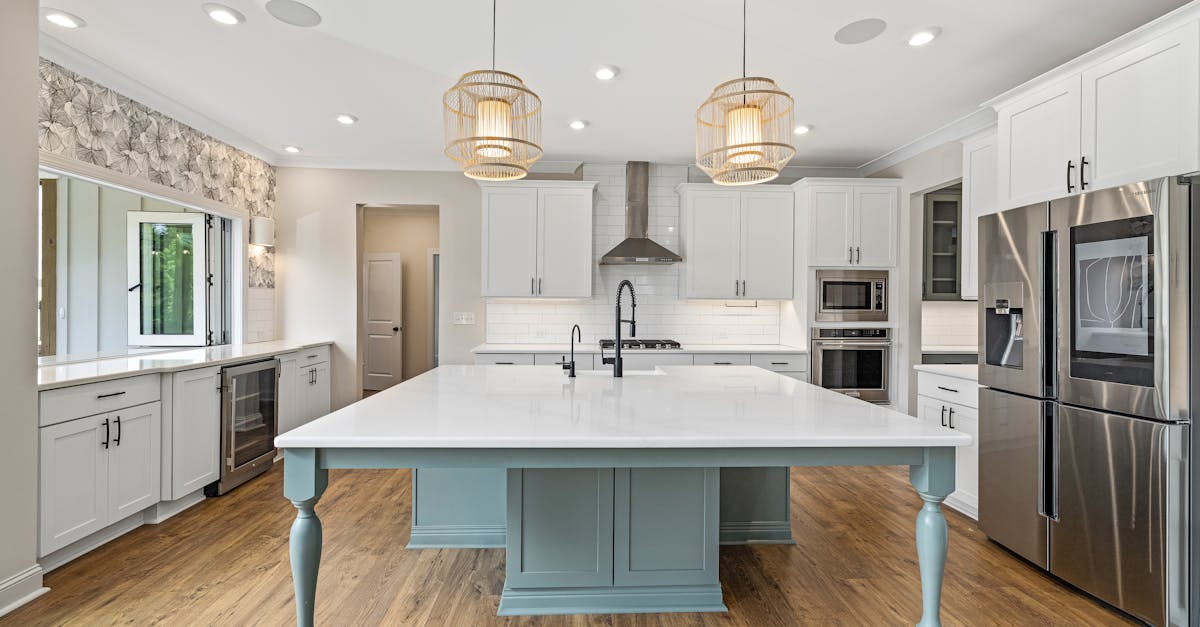
Prioritising Energy-Efficient Appliances in Your Kitchen Renovation
Table Of Contents
Smart Technology Integration
Integrating smart technology into your kitchen can significantly enhance energy efficiency. Smart appliances offer advanced features that optimise usage, such as scheduling and remote monitoring. This allows you to manage energy consumption effectively, ensuring devices run only when necessary. Additionally, some appliances can provide real-time usage data, helping you identify patterns and make informed adjustments to your routines.
The compatibility of smart technology with other systems in your home can further enhance efficiency. For instance, smart thermostats and lighting can be programmed to adjust based on the status of kitchen appliances, seamlessly coordinating energy use. Innovative features like automatic shut-off functions also contribute to reducing unnecessary power consumption. Embracing these technologies not only promotes sustainability but can also lead to cost savings on energy bills over time.
How Smart Appliances Contribute to Efficiency
Incorporating smart appliances into your kitchen can significantly enhance energy efficiency. Many modern devices offer features that optimise energy usage, such as sensors that detect when an item is ready to be removed or when a machine is not in use. These advancements lead to reduced energy consumption, as appliances operate only when necessary. Moreover, some models can be programmed to run during off-peak hours when electricity costs are lower, further promoting efficiency and savings on utility bills.
Smart technology also allows for remote monitoring and control, making it easier for users to manage energy use effectively. For example, smart refrigerators can alert you when the door is left open or notify you about energy-saving tips based on usage patterns. Integration with home automation systems means you can track and adjust energy consumption in real-time. As a result, these appliances not only contribute to energy conservation but also encourage more mindful usage in the kitchen.
Sustainable Materials and Design
Incorporating sustainable materials into your kitchen renovation not only supports environmental conservation but also enhances the overall aesthetic. Options such as bamboo, reclaimed wood, and recycled metals offer durability while minimising ecological footprints. Bamboo grows rapidly and requires minimal resources, making it an ideal choice for cabinetry and countertops. Reclaimed wood adds character and story, often being sourced from old structures, thus preventing waste and promoting a circular economy.
Design choices should also reflect eco-consciousness. Opt for low-VOC paints and finishes to maintain indoor air quality, ensuring a healthier space. When selecting countertops, materials such as quartz and recycled glass reduce reliance on raw resources, while providing a modern look. Prioritising these sustainable options not only contributes to a greener kitchen but also aligns with a growing market trend that values eco-friendly living.
Choosing Eco-Friendly Cabinetry
Selecting cabinetry made from sustainable materials is a key step in creating an eco-friendly kitchen. Look for options crafted from recycled or reclaimed wood, as these help reduce the demand for virgin timber. Bamboo is also an excellent choice due to its rapid growth and renewability. Ensure that any paint or finishes used are low in volatile organic compounds (VOCs) to promote better indoor air quality.
Consider the certifications associated with the cabinetry materials. Look for products that have been certified by reputable organisations, which indicates adherence to environmental standards. Supporting local manufacturers can further minimise the carbon footprint tied to transportation. Investing in durable cabinets contributes to the longevity of the kitchen, reducing the need for future renovations and decreasing waste over time.
Water Efficiency in the Kitchen
The kitchen is one of the most water-intensive areas in a home. Incorporating water-efficient fixtures can significantly reduce consumption without sacrificing performance. For example, low-flow faucets can reduce water usage by up to 30% compared to standard fixtures. These taps often include aerators that maintain water pressure while limiting the volume of water used per minute.
Sinks also play a crucial role in water conservation. Opting for models designed with water efficiency in mind can further minimise waste. Consider choices such as double-basin sinks that allow for better dishwashing practices, utilising one basin for washing and the other for rinsing, saving water in the process. Investing in such options can lead to noticeable reductions in water bills and contribute positively to environmental sustainability.
Faucet and Sink Options
Selecting the right faucet and sink can significantly impact water consumption in your kitchen. Consider options that feature aerators or flow restrictors, as these technologies help reduce water usage without compromising pressure. Many modern faucets now come with smart features, such as touchless sensors that further enhance efficiency by allowing users to turn on the water with a simple wave of the hand. This can not only decrease overall water consumption but also improve convenience and hygiene.
When it comes to sinks, opting for options made from sustainable materials, such as recycled stainless steel or composite materials, can align with an eco-friendly renovation plan. Larger sink sizes may be tempting for versatile cooking needs, but selecting a design that balances functionality with water-saving features is essential. Farmhouse or deep sinks can be beautiful additions, provided they are chosen with an eye towards efficient water use.
FAQS
What are energy-efficient appliances?
Energy-efficient appliances are designed to use less energy than standard models, helping to reduce electricity consumption and lower utility bills while also being better for the environment.
How can smart technology improve energy efficiency in my kitchen?
Smart technology can enhance energy efficiency by allowing you to monitor and control appliances remotely, optimising their use based on energy rates and your household's schedule, and providing insights on energy consumption.
What should I look for when choosing eco-friendly cabinetry?
When selecting eco-friendly cabinetry, look for materials that are sustainably sourced, contain low or no volatile organic compounds (VOCs), and are produced using environmentally friendly manufacturing processes.
Are there specific faucets that promote water efficiency?
Yes, look for faucets with aerators or those that are labelled with WaterSense certification, which indicates they meet strict water efficiency and performance criteria, helping to reduce water usage without sacrificing performance.
How do energy-efficient appliances impact my kitchen renovation budget?
While energy-efficient appliances may have a higher initial cost, they often lead to significant savings on energy bills over time, making them a cost-effective choice in the long run and potentially increasing the value of your home.
Related Links
How to Determine the Most Important Updates for Your KitchenKey Features to Enhance Storage and Efficiency in Your Kitchen
Assessing the Role of Kitchen Islands in Renovation Priorities
Choosing Between Aesthetics and Practicality in Renovation Features
Making Informed Decisions on Appliance Placement in Your Kitchen