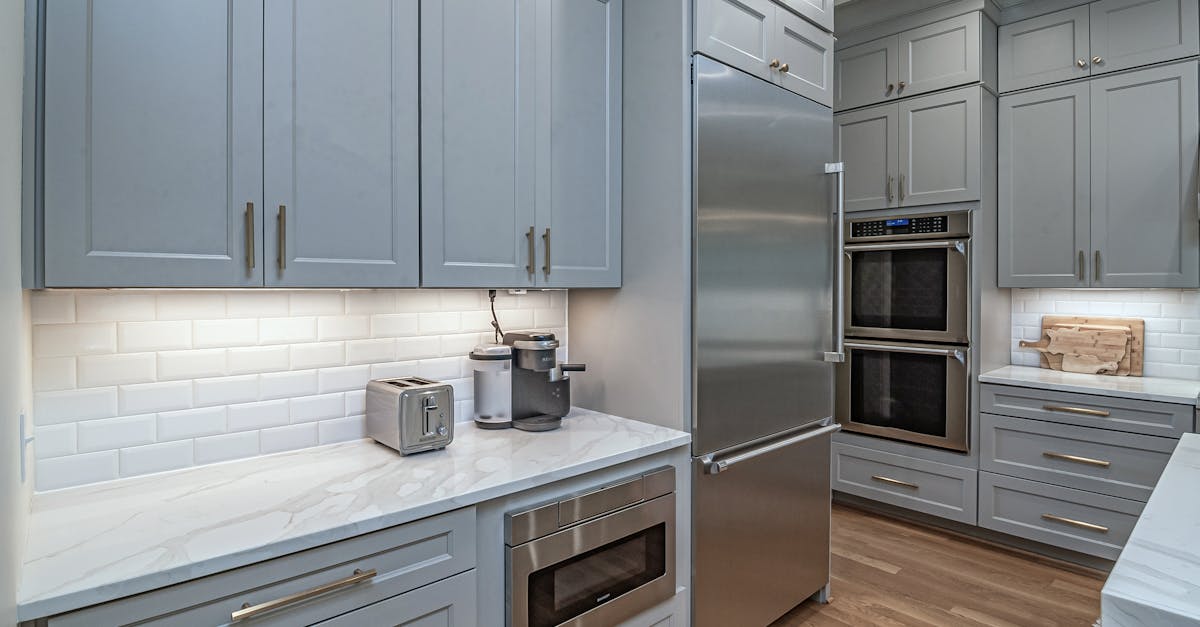
Making Informed Decisions on Appliance Placement in Your Kitchen
Table Of Contents
Electrical and Plumbing Considerations
When planning the layout of your kitchen, it's vital to consider the placement of electrical outlets and plumbing fixtures. Positioning is crucial for appliances like fridges, dishwashers, and cooktops. Ensuring that the necessary infrastructure is in place prevents costly renovations later. Having outlets situated conveniently can streamline cooking and cleaning processes. Installations should comply with local regulations to guarantee safety and functionality.
Additionally, the location of sinks and plumbing lines impacts overall workflow. A thoughtfully designed kitchen allows for efficient movement between zones, such as preparation and cooking areas. This consideration not only enhances usability but also ensures ease of access for maintenance and repairs. Proper ventilation and drainage systems are equally important to avoid common issues like water damage and poor air quality.
Ensuring Safety and Functionality
When planning the layout of kitchen appliances, safety should be a top priority. Positioning electrical appliances away from water sources is essential to prevent accidents. Ensure that wiring is properly installed and adheres to local regulations. Additionally, consider the proximity of appliances to heat sources. Adequate spacing between ovens and refrigerators can help reduce overheating risks and improve overall functionality.
Functionality also hinges on the logical arrangement of appliances. Placing the refrigerator near the entrance allows for convenient access while unloading groceries. Keeping frequently used items within arm's reach can enhance workflow efficiency. Consider how different cooking procedures will affect movement within the kitchen. A well-organised layout creates a safer environment and streamlines the cooking process.
Maximising Natural Light
Natural light plays a critical role in creating an inviting and energising kitchen environment. Consider the layout of windows and the direction they face when planning the arrangement of your appliances. Positioning larger items such as the refrigerator and stove away from windows allows sunlight to filter in unobstructed, enhancing the warmth and openness of the space. Opt for reflective surfaces in finishes and materials that amplify daylight, creating a brighter atmosphere.
Utilising lighter colour palettes can further enhance the overall brightness of the kitchen. Light-coloured cabinetry and countertops reflect sunlight effectively. Additionally, think about the use of skylights if the kitchen layout permits. They can serve as a source of natural light, especially in areas lacking sufficient windows. Incorporating these design elements not only improves the functionality of the kitchen but also elevates the overall aesthetic appeal by creating a harmonious blend of light and space.
Placement Choices that Enhance Illumination
The layout of your kitchen can significantly influence the level of natural light that enters the space. Positioning windows strategically helps to capture sunlight during different times of the day. Opting for reflective surfaces, such as glass fronts on cabinets or light-coloured countertops, can enhance the brightness by reflecting light throughout the room. It's essential to consider how the kitchen's orientation affects light exposure, as morning sun differs from afternoon light, impacting the ambiance and functionality of the workspace.
Lighting fixtures also play a crucial role in complementing natural illumination. Under-cabinet lights provide focused brightness for food preparation areas while pendant lights above islands or dining areas add warmth. Integrating dimmable options allows you to adjust the level of light according to the time of day or the mood desired. Careful selection of bulbs, such as LED warm white for a soft glow, can create an inviting environment, ensuring that your kitchen remains a bright and welcoming space.
Accessibility for Everyone
When designing a kitchen, it is crucial to consider the needs of everyone who will use the space. This includes ensuring that drawers, cabinets, and appliances are within easy reach for people of varying heights and abilities. Adjustable shelves can accommodate different needs and preferences. Additionally, incorporating pull-out features can make accessing pots, pans, and utensils much simpler, promoting a more efficient cooking environment.
Floor space should also be accounted for in an accessible kitchen layout. Allowing ample room for movement will enable individuals using mobility aids to navigate comfortably. Positioning work surfaces and appliances at an appropriate height can significantly improve usability for those with limited reach. Ensuring clear pathways and reducing obstructions will enhance the overall functionality of the kitchen and create an inviting space for everyone.
Making Your Kitchen User-Friendly
A user-friendly kitchen prioritises ease of movement and accessibility for everyone who uses the space. Consider the layout carefully, ensuring that pathways are clear and appliances are placed for convenience. Position commonly used items within easy reach to minimise bending or stretching, which can strain the body. This design approach can accommodate different needs, promoting a more inclusive environment.
Incorporating features such as lower countertops or pull-out shelves can significantly enhance usability. These changes allow individuals of varying heights and abilities to work comfortably. Additionally, having storage solutions that are easy to access, such as drawers instead of high cabinets, can facilitate a more efficient cooking experience. A well-planned kitchen not only boosts functionality but also encourages collaboration and creativity among those who use it.
FAQS
What should I consider regarding electrical and plumbing when placing appliances in my kitchen?
It's crucial to ensure that your appliances are positioned near existing electrical outlets and plumbing for safety and functionality. This reduces the need for extensive renovations and helps to avoid potential hazards.
How can I ensure my kitchen is safe and functional?
To ensure safety and functionality, make sure appliances are placed at accessible heights, consider the workflow of the kitchen, and ensure that there’s adequate spacing between appliances to prevent overcrowding and facilitate easy movement.
What are some tips for maximising natural light in my kitchen?
To maximise natural light, consider placing larger windows or glass doors, using reflective surfaces like mirrors or light-coloured cabinets, and positioning appliances away from windows to allow more light to enter the space.
How can I enhance illumination through appliance placement?
You can enhance illumination by strategically placing appliances that require good lighting, such as food processors or mixers, near windows, and incorporating under-cabinet lighting to better illuminate work areas.
What does accessibility mean in terms of kitchen appliance placement?
Accessibility in kitchen appliance placement means ensuring that all users, including children, the elderly, and those with disabilities, can easily reach and operate appliances. This can be achieved by considering appliance heights, spacing, and the overall layout of the kitchen.
Related Links
Choosing Between Aesthetics and Practicality in Renovation FeaturesEvaluating the Importance of Lighting in Kitchen Designs
Assessing the Role of Kitchen Islands in Renovation Priorities
How to Determine the Most Important Updates for Your Kitchen
Prioritising Energy-Efficient Appliances in Your Kitchen Renovation