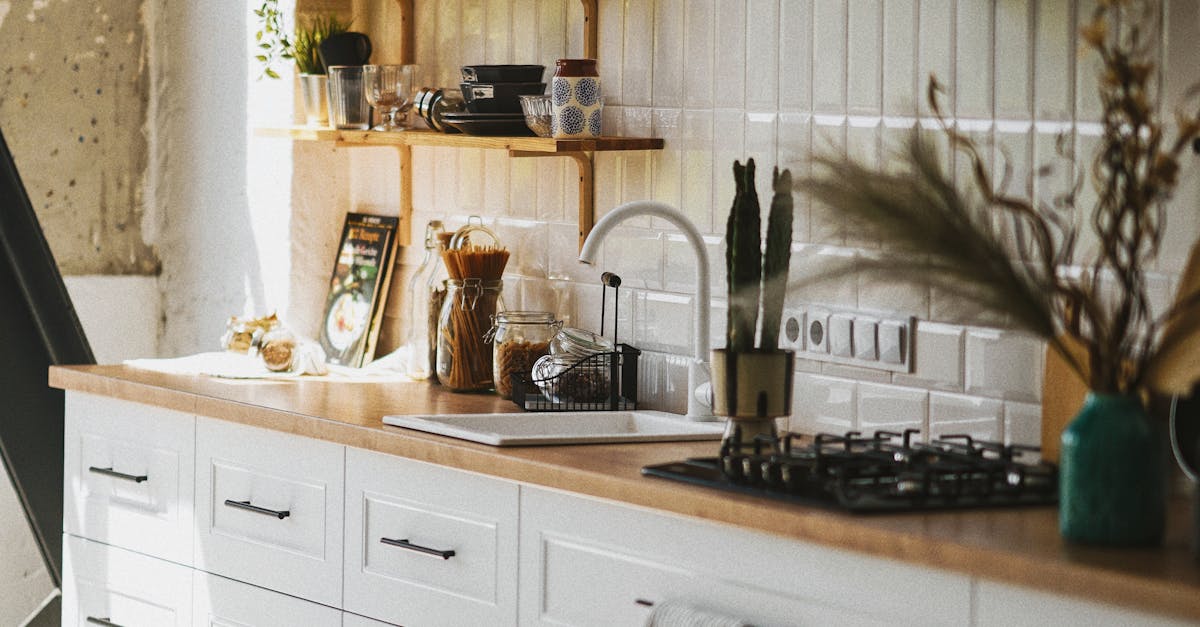
Creating Functional Zones in Open-Plan Kitchen Spaces
Table Of Contents
Cleaning Zone Considerations
Establishing a designated cleaning zone in an open-plan kitchen enhances both functionality and organisation. It is important to position the sink, dishwasher, and bin in close proximity to streamline the dishwashing and cleaning processes. This arrangement reduces the distance between items, making it more convenient during food preparation and after-meal clean-up. Consider utilising deep drawers for easy access to cleaning supplies and utensils, allowing for more efficient use of space.
Incorporating durable surfaces that can withstand spills and stains is essential for maintaining a clean environment. Materials like quartz or engineered stone not only provide visual appeal but are also practical choices. Additionally, ensuring ample counter space near the cleaning zone will facilitate easy loading and unloading of dishes, creating a tidy workflow. Installing effective ventilation is crucial to minimise lingering smells, further contributing to the overall cleanliness of the kitchen area.
Organizing for Convenience
Creating a well-organised kitchen enhances both efficiency and enjoyment in meal preparation. Placement of frequently used items near the cooking area can streamline tasks. Utensils, cutting boards, and spices should be easily accessible, reducing unnecessary movement. Drawers and racks can be utilised to maximise storage space while keeping countertops clear, fostering a clutter-free environment. Organising these essentials not only improves workflow but also creates a sense of calm amid the activity.
Incorporating designated storage for both pantry items and cooking gadgets is vital for convenience. Clear containers and labelled shelves contribute to a systematic approach that simplifies meal planning. A nearby island or breakfast bar can serve as an additional workspace, providing ample room for meal prep while inviting family members to collaborate. By intentionally arranging the kitchen layout and inventory, the space can transform into a multifunctional hub where cooking becomes a more enjoyable and efficient experience.
Social Interaction in the Kitchen
The kitchen serves as a central hub for families and friends to gather, share meals, and create lasting memories. Incorporating elements that promote social interaction enhances the overall experience. Features like an island bench not only provide extra workspace but also act as a casual dining area, encouraging conversations while meals are prepared. Open pathways and an uncluttered layout facilitate movement, making it easier for multiple people to engage in different activities without feeling cramped.
Creating a warm and welcoming atmosphere further promotes interaction. Comfortable seating and an inviting colour palette draw people into the space, inviting them to linger. Incorporating a mix of textures and materials can stimulate conversation and create visual interest. Thoughtful placement of appliances and storage ensures that the kitchen remains functional while still being a space for gathering. The balance of usability and comfort transforms the kitchen into a lively environment that nurtures connection and engagement.
Designing for Engagement and Comfort
Incorporating comfortable seating arrangements within an open-plan kitchen can encourage social interaction and create a welcoming atmosphere. Connecting the kitchen to the dining area or a casual sitting space fosters a sense of togetherness, allowing family and friends to gather while meals are being prepared. Choosing versatile seating options, such as stools or benches, can provide flexibility for both dining and casual hangouts, enhancing the overall utility of the space.
Thoughtful design elements play a vital role in creating an engaging environment. Using materials that are warm and inviting, such as wood or soft textiles, can make the area more appealing. Additionally, integrating a central island with a multi-functional design can serve as a focal point for conversations, seamlessly bridging the gap between cooking and socialising. Overall, prioritising comfort and engagement leads to a kitchen that serves as a hub for connection and interaction.
Lighting Solutions for Functional Zones
Effective lighting is essential for enhancing the usability of different areas in an open-plan kitchen. Task lighting should be strategically placed to illuminate work surfaces, making cooking and preparation activities more efficient. Under-cabinet lights can be particularly beneficial, casting a focused beam on countertops while reducing shadows. Adjustable pendant lights above kitchen islands serve a dual purpose, offering both task and ambient illumination.
In addition to practical lighting, the right fixtures can foster an inviting atmosphere for socialising. Dimmable options allow for adjustments throughout the day, accommodating various activities from intimate dinners to lively gatherings. Warm light tones create a welcoming environment, encouraging conversations and interactions among family and guests. Thoughtfully layered lighting enhances both functionality and the overall ambience of the kitchen space.
Enhancing Task and Ambiance Lighting
Effective lighting is crucial for functionality in any kitchen space. Task lighting should be strategically placed to illuminate areas where food preparation and cooking take place. Under-cabinet lights are an excellent choice as they enhance visibility on countertops without creating harsh shadows. Pendant lights over kitchen islands not only provide direct light but also serve as a statement piece, contributing to the overall aesthetic of the room.
Balancing task lighting with ambiance promotes a warm and welcoming environment. Incorporating dimmable fixtures allows for flexibility in lighting levels, making it easy to adjust the mood from bright and focused during meal prep to softer and more relaxed when entertaining guests. Layering different types of lighting, such as wall sconces or recessed lights, helps to create depth and interests in the space, resulting in a kitchen that feels both functional and inviting.
FAQS
What are functional zones in an open-plan kitchen?
Functional zones in an open-plan kitchen refer to designated areas that serve specific purposes, such as cooking, cleaning, dining, and socialising. This zoning helps to enhance efficiency and organisation within the space.
How can I improve the cleaning zone in my kitchen?
To improve the cleaning zone, consider installing a deep sink, allocating storage for cleaning supplies within easy reach, and optimising the layout to facilitate an efficient workflow. Organising utensils and dishware close to the sink can also help streamline this area.
What are some tips for organising my kitchen for convenience?
To organise your kitchen for convenience, use clear containers for easy visibility, group similar items together, and utilise drawer dividers and shelving systems. Keeping frequently used items within arm's reach can significantly enhance functionality.
How can I encourage social interaction in my open-plan kitchen?
You can encourage social interaction by creating a welcoming layout, such as incorporating an island or breakfast bar that invites people to gather. Adding comfortable seating and ensuring the flow between the cooking and dining areas is clear can also facilitate engagement.
What lighting solutions are best for functional zones in the kitchen?
The best lighting solutions for functional zones include a combination of task lighting, like under-cabinet lights for food preparation areas, and ambient lighting, such as pendant lights over islands. Dimmable options can also help create the right atmosphere for different activities.
Related Links
Design Strategies for Seamless Integration in Open-Plan KitchensSelecting Colour Schemes for Open-Plan Kitchen Areas
Customising Open-Plan Layouts for Family Lifestyles
Enhancing Social Interaction in Open-Plan Cooking Spaces
Incorporating Smart Technology in Open-Plan Kitchen Layouts
Tips for Balancing Style and Functionality in Open-Plan Kitchens