Tips for Balancing Style and Functionality in Open-Plan Kitchens
Table Of Contents
Blending Aesthetics with Practicality
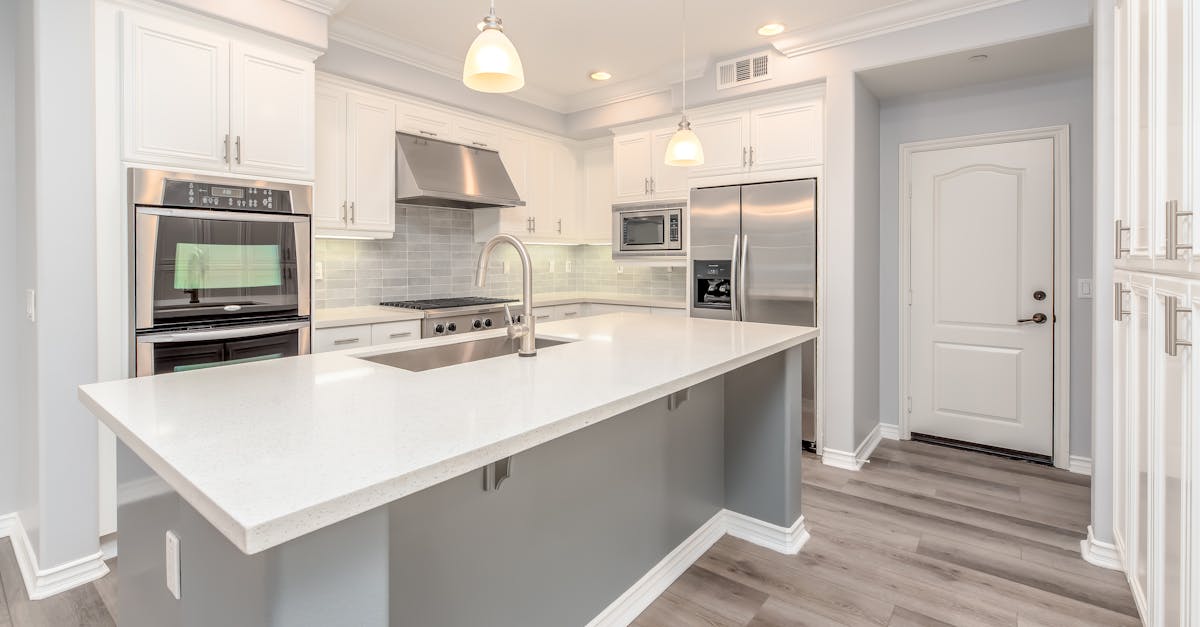
Striking a balance between beauty and utility is essential in designing an open-plan kitchen. Choosing cabinetry that combines aesthetics with functionality can enhance the overall look while ensuring that storage needs are met. Materials such as timber or glossy finishes can provide a stylish appearance without sacrificing durability. Incorporating thoughtful design elements like integrated appliances or smart storage solutions can maximise space efficiency and maintain a clean visual appeal.
In the realm of design, textures play a significant role in achieving an inviting atmosphere. Mixing materials, such as pairing smooth surfaces with textured elements, can create depth and interest throughout the kitchen. An eye-catching island can serve as both a focal point and a practical workspace, encouraging a seamless interaction between cooking and socialising. This approach fosters a welcoming environment that is both functional for everyday use and visually pleasing for entertaining guests.
Colour Schemes That Work Wonders
Choosing the right colour scheme can significantly enhance the open-plan kitchen's appeal. Soft, neutral tones like whites, greys, and beiges create a timeless look. These shades can make the space feel larger and more inviting. Alternatively, incorporating bold accents through accessories or feature walls can add personality. Pairing vibrant colours with muted elements can strike a harmonious balance between sophisticated design and individual flair.
Incorporating natural materials can further enhance the colour palette. Timber finishes, stone textures, and organic elements contribute warmth and depth to the overall aesthetic. Earthy tones complement these materials beautifully, promoting a sense of cohesion throughout the space. This blend not only elevates the style but also ensures that the colour choices remain practical, standing the test of time while accommodating various kitchen activities.
Lighting Solutions for Open Spaces
Good lighting is essential in open-plan kitchens. It serves both functionality and atmosphere, enhancing the overall design while ensuring that workspaces are well-lit. Consider a mix of ambient, task, and accent lighting. Pendant lights can provide focal points above kitchen islands, while under-cabinet lighting offers essential illumination for meal preparation. Incorporating dimmer switches can also help create different moods throughout the day.
Natural light plays a significant role in these spaces. Emphasising windows and openings not only brightens the kitchen but also connects it with the surrounding areas. Using sheer window coverings can allow for a flow of light while maintaining privacy. Strategically placed mirrors can bounce light around the room, enhancing its brightness and making it feel more expansive. Selecting fixtures that complement the overall style of the kitchen can tie everything together beautifully.
Practical Lighting Ideas for Work and Ambiance
Effective lighting is essential in any kitchen, especially in open-plan settings where functionality and atmosphere coexist. Task lighting should be prioritised in work zones. Consider installing under-cabinet lights to illuminate countertops, making food preparation safer and more convenient. Pendant lights over islands or dining areas offer focused light and can enhance the overall design.
Incorporating dimmers into your lighting system provides flexibility in creating different moods. Switching from bright task lighting to softer, ambient light can transform the atmosphere for entertaining guests or enjoying a quiet meal. Layering lights, including wall sconces and recessed fixtures, contributes to a well-rounded lighting scheme that accommodates both work and leisure activities seamlessly.
Creating a Seamless Flow
Open-plan kitchens thrive on an effortless connection to adjacent living areas. This design philosophy encourages a natural flow between spaces, making it essential to consider how the kitchen layout interacts with the dining and living rooms. Using consistent materials and finishes throughout these areas will help create harmony. For example, carrying the same flooring from the kitchen into the lounge invites continuity, while cohesive cabinetry can further enhance this connection.
Furniture placement also plays a pivotal role in promoting a seamless transition. Positioning an island or a breakfast bar strategically can create a direct pathway into the living area, encouraging social interaction. Incorporating open shelving or transparent elements into the design can further enhance this sense of openness. The goal is to create a space that feels unified and inviting, allowing the kitchen to be seen not just as a cooking zone, but as an integral part of the home's overall aesthetic.
Connecting Your Kitchen with Living Spaces
An open-plan layout encourages a sense of togetherness between the kitchen and living areas. Strategically positioning furniture can enhance the visual connection. For instance, a kitchen island serves as a natural boundary while offering additional seating. This arrangement fosters social interactions, allowing family and friends to gather comfortably while meals are prepared.
Incorporating similar design elements across both spaces can unify the overall aesthetic. Using consistent materials and colour palettes creates a harmonious flow. Consider selecting cabinetry and finishes that echo the living area’s décor. This approach not only enhances visual appeal but also promotes a seamless transition from cooking to entertaining, making the home feel more cohesive.
FAQS
What are some key tips for balancing style and functionality in open-plan kitchens?
To balance style and functionality, consider using cohesive colour schemes, integrating effective lighting solutions, and ensuring a seamless flow between the kitchen and living spaces. Choose materials that are both aesthetically pleasing and durable, and think about your workspace layout for maximum efficiency.
How can I choose the right colour scheme for my open-plan kitchen?
Opt for colours that create harmony between the kitchen and adjacent living areas. Neutral tones often work well, but you can add pops of colour through accessories or feature walls. Ensure the colours complement your overall interior design for a cohesive look.
What types of lighting are best for open-plan kitchens?
A combination of task, ambient, and accent lighting is ideal for open-plan kitchens. Pendant lights can provide focused task lighting over work areas, while recessed lighting or wall sconces can enhance the overall ambiance. Consider natural light sources as well to create a bright and inviting space.
How can I create a seamless connection between my kitchen and living spaces?
To achieve a seamless flow, use consistent flooring materials throughout the areas, and consider open shelving or low barriers to maintain sightlines. Keep the decor unified, and ensure the kitchen's style aligns with the living space for a harmonious transition.
What are some practical storage solutions for open-plan kitchens?
Incorporate multi-functional furniture, such as kitchen islands with built-in storage, and use vertical space with shelves or cabinets that reach up to the ceiling. Pull-out drawers and hidden storage can also help maintain a clutter-free environment while keeping essentials easily accessible.
Related Links
Incorporating Smart Technology in Open-Plan Kitchen LayoutsMaximising Natural Light in Open-Plan Kitchen Designs
Selecting Colour Schemes for Open-Plan Kitchen Areas
Customising Open-Plan Layouts for Family Lifestyles
Enhancing Social Interaction in Open-Plan Cooking Spaces
Choosing the Right Furniture for Open-Plan Kitchens
Benefits of Combining Living Areas with Open-Plan Kitchens
Design Strategies for Seamless Integration in Open-Plan Kitchens