Maximising Natural Light in Open-Plan Kitchen Designs
Table Of Contents
Using Mirrors to Amplify Light
Incorporating mirrors in an open-plan kitchen design can significantly enhance the natural light within the space. When strategically positioned, mirrors reflect light from windows or other sources, creating an illusion of brightness and depth. A well-placed mirror can bounce sunlight around the room, making the kitchen feel more spacious and inviting. The key is to select mirrors with interesting frames that complement the overall aesthetic of the kitchen while ensuring they are positioned to maximise the light reflection.
Consider placing mirrors opposite windows or light sources to optimise their effectiveness. Additionally, using multiple smaller mirrors can create a dynamic visual effect, further enhancing the brightness of the area. Choosing reflective surfaces, such as glass cabinetry or metallic accents, alongside mirrors can amplify this effect, ensuring the kitchen remains warm and welcoming. This thoughtful approach not only improves the functionality of the space but also elevates its design, making it a central hub for family and entertaining.
Strategic Placement for Enhanced Brightness
The way furniture is positioned plays a crucial role in how much natural light enters an open-plan kitchen. Avoiding heavy or tall pieces near windows ensures unobstructed light flow. Selecting lighter colours for larger furniture items can also help reflect the available light, making the space feel brighter and airier. Additionally, using multi-functional furniture with a sleek profile can enable better sightlines and flow, allowing light to traverse the entire room without hindrance.
Another effective way to enhance brightness is through the use of open shelving or slimline cabinets. These design choices create an illusion of space while allowing light to penetrate deeper into the area. Incorporating transparent materials, such as glass shelves or acrylic stools, further promotes luminosity throughout the kitchen. By strategically choosing and arranging furniture, the overall ambiance transforms, fostering a more inviting and vibrant atmosphere.
Furniture Arrangement for Light Maximisation
Strategically arranging furniture can greatly influence the amount of natural light flowing through an open-plan kitchen. Opting for low-profile furnishings helps maintain transparency and ensures that light is not obstructed. Choosing pieces with slender legs rather than bulky bases allows sunlight to travel beneath and around. Positioning larger items, such as dining tables or cabinets, against walls rather than in central locations helps retain an open and airy feel.
It is also essential to consider the layout in relation to windows and sources of light. Placing seating areas near these windows maximises both the light exposure and the sense of openness. Avoiding heavy drapery can further enhance the brightness within the space. Instead, opting for lightweight fabrics or blinds that let light filter through can create a warm and inviting atmosphere while maintaining unobstructed views.
Creating Open Pathways for Natural Light
An open-plan kitchen thrives on the movement and flow of light throughout the space. By strategically positioning doors and windows, you can eliminate barriers that block sunlight, allowing it to pour in freely. Consider using large glass sliding doors or bi-folds as these not only provide easy access to outdoor areas but also create a visual connection with nature. The transparency of these features enhances the feeling of spaciousness, making the kitchen feel brighter and more welcoming.
Incorporating clear pathways through the kitchen layout is essential for maximising the effect of natural light. Avoid bulky furniture arrangements that disrupt the flow and create shadowed areas. Instead, opt for streamlined furnishings that complement the open design. By maintaining uncluttered routes, light can travel seamlessly throughout the area, illuminating each corner and contributing to an airy atmosphere. Emphasising this openness can transform the kitchen into a vibrant hub of activity, encouraging interaction while enjoying the benefits of abundant sunlight.
The Influence of Architectural Features
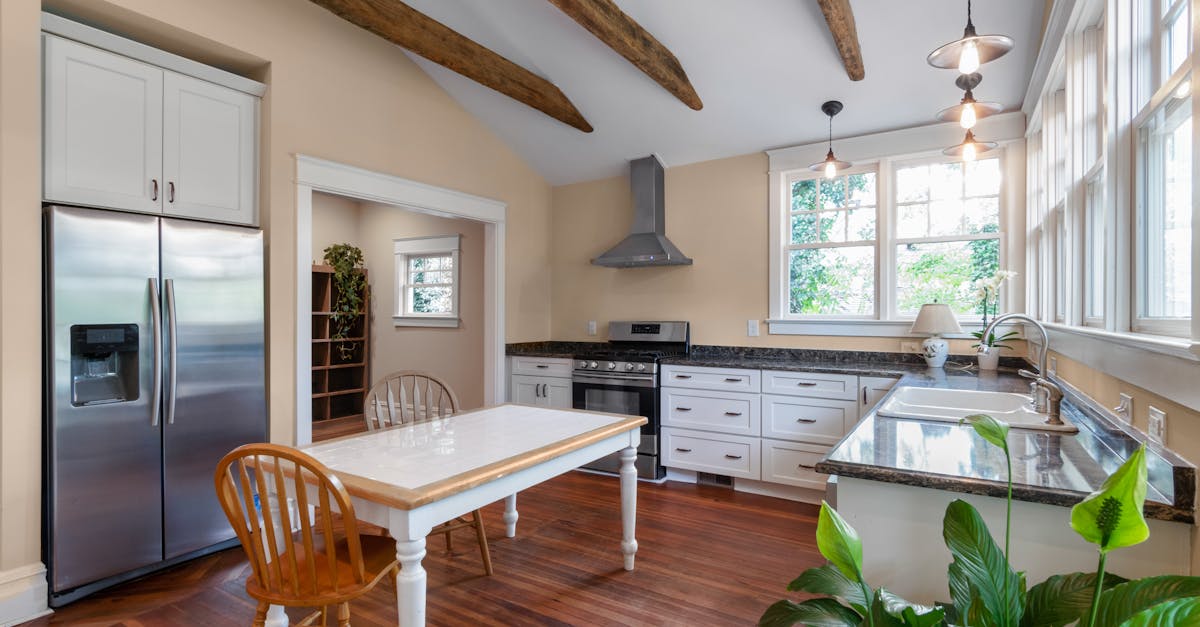
Architectural features play a pivotal role in how natural light is distributed throughout an open-plan kitchen. High ceilings can create an airy atmosphere, allowing sunlight to penetrate deeper into the space. Window placements are equally important; strategically positioned windows can capture the sun’s path throughout the day, ensuring that the kitchen remains bright and inviting at all times. The use of skylights is another effective method to enhance illumination, as they draw in natural light from above, often illuminating areas that traditional windows cannot reach.
Moreover, the choice of materials and colours can significantly affect light reflection. Light-coloured walls and surfaces can bounce rays around the room, amplifying the effect of any incoming daylight. Open structures, such as archways or large doorways, can further facilitate the flow of light into adjoining areas, ensuring a cohesive and luminous environment. Incorporating these architectural elements with care allows for a more vibrant kitchen that benefits from the beauty of natural light.
Designing Open Spaces to Capture Light
Incorporating elements that allow light to permeate an open-plan kitchen can transform the overall atmosphere of the space. Large windows are a fundamental aspect, encouraging sunlight to flood in during the day. Skylights are another excellent option, offering an influx of natural light from above while simultaneously enhancing the sense of openness. The design of the surrounding architecture should prioritise unobstructed views and minimal obstructions, creating a seamless connection between indoor and outdoor environments.
Wide doorways and glass sliding doors can further amplify brightness, enabling a smooth transition between spaces. Choosing light, airy materials for surfaces can reflect rather than absorb light, enhancing the luminescence of the room. Open shelving can contribute to this effect, allowing for light to travel freely without bulky cabinetry blocking its path. A well-considered design strategy can significantly elevate the role of natural light in creating an inviting kitchen atmosphere.
FAQS
How can mirrors enhance natural light in my open-plan kitchen?
Mirrors can amplify the amount of natural light in your kitchen by reflecting light from windows and other sources. By strategically placing mirrors across from windows or light sources, you can create a brighter, more inviting space.
What is the best way to arrange furniture for maximum natural light?
To maximise natural light, arrange furniture away from windows and avoid blocking light pathways. Choose lightweight, low-profile furniture that allows light to flow freely through the space.
How do architectural features influence natural light in my kitchen?
Architectural features such as skylights, large windows, and open doorways can significantly increase the amount of natural light in your kitchen. Incorporating these elements during the design phase can help create a brighter environment.
What are some effective ways to create open pathways for natural light?
Consider using open shelving, glass partitions, and keeping the area free of unnecessary obstacles. This allows light to travel deeper into the space and creates a more airy feel.
Can the colour of my kitchen affect how much natural light it receives?
Yes, light colours tend to reflect natural light better than dark colours. Using soft, light shades on the walls and cabinetry can help to enhance the brightness in your open-plan kitchen.
Related Links
Tips for Balancing Style and Functionality in Open-Plan KitchensChoosing the Right Furniture for Open-Plan Kitchens
Selecting Colour Schemes for Open-Plan Kitchen Areas
Customising Open-Plan Layouts for Family Lifestyles
Enhancing Social Interaction in Open-Plan Cooking Spaces
Incorporating Smart Technology in Open-Plan Kitchen Layouts
Benefits of Combining Living Areas with Open-Plan Kitchens